Funding is announced for federal programs addressing veterinary shortages – AVMA, United States

| | 3 Replies

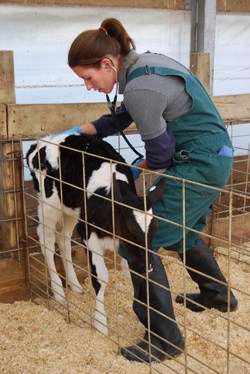
Click to Support Veterinarians Practicing in Designated Shortage Areas In many rural communities, farm animals far exceed veterinary capacity. For instance, one slice of northwestern Kansas is home to a cattle population of 240,500 but served by only eight Level II accredited veterinarians whose practice focuses on food animals, creating an animal-to-practitioner ratio of 30,062:1. Considering these numbers, it’s no surprise the U.S. Department of Agriculture’s National Institute of Food and Agriculture (NIFA) has declared this region a “critical” veterinary shortage area.

Across the country, too many regions continue to suffer from similar veterinary shortages. This puts food safety at risk and leaves many farm animals vulnerable to disease.

The good news is that these shortages are being reduced through targeted federal funding programs, including NIFA’s Veterinary Medicine Loan Repayment Program (VMLRP), which offers up to $75,000 in loan repayment to veterinarians who commit to serve at least three years in a designated veterinary shortage area. Since its enactment in 2010, the Veterinary Medicine Loan Repayment Program has helped send 388 veterinarians to serve in shortage areas.

Last week, NIFA announced that $4.2 million will be available to fund veterinary loan repayment through this important program this year. This is great news for food animal producers who need increased access to veterinary care, as well as the veterinarians who are interested in serving in shortage areas.

Veterinarians who want to participate in the Veterinary Medicine Loan Repayment Program can learn more and apply on NIFA’s website. Applications are due by May 26.

Unfortunately, it’s likely that not every shortage area will be filled through this program. The reason is simple – there’s just not enough funding to go around. That’s why the AVMA is working hard to support legislation that would increase the available funding by eliminating a 39 percent income tax withholding requirement applied to each VMLRP award. The withholding requirement reduces by 39 percent the amount of money NIFA actually can provide to grant recipients under the program, so eliminating it would effectively increase available funding by that amount for the program. Without the withholding requirement, approximately 130 additional veterinarians could have participated in the Veterinary Medicine Loan Repayment Program since 2010 – a nearly 33 percent increase.

If you want to help support the VMLRP Enhancement Act, you can visit our Congressional Advocacy Network to send a pre-written letter to your members of Congress asking them to support this legislation. This quick and easy action can make a big difference.

Another piece of good news is that the VMLRP isn’t NIFA’s only program addressing rural veterinary shortages. The Veterinary Services Grant Program (VSGP) offers grants on a competitive basis to support the development, implementation and sustainability of veterinary services in shortage areas. For instance, grants are available to help food supply veterinarians purchase equipment or to fund education programs for food animal medicine. NIFA recently announced $2.4 million in funding available through this program, and applications are due by May 19. You can read about last year’s recipients here.

Programs like the VSGP and the VMLRP are valuable because they help agricultural communities while also providing economic opportunities for veterinarians – that’s a win-win. The AVMA plans to continue working to strengthen these programs, because our country has a long way to go in supporting our food supply veterinarians and the communities they serve.


Source: Funding is announced for federal programs addressing veterinary shortages

Global Health at the Human-Animal-Ecosystem Interface – University of Geneva | Coursera – Free Online Course

About this course:

The University of Geneva, Institute Pasteur, University of Montreal and Centre Virchow-Villermé/University Paris Descartes welcome you to this new MOOC on “Global Health at the Human-Animal-Ecosystem Interface”! Over the next 5 weeks, you will explore and learn about some of the major and current Global Health Challenges at the Human-Animal-Ecosystem Interface: zoonotic emerging infections (e.g. Ebola, Nipah, MERS, Avian Influenza), antimicrobial resistance, neglected tropical diseases (e.g. rabies, leishmaniasis, zoonotic TB), snakebite and other human-animal conflicts etc.

You will learn new concepts from the field of epidemiology, social anthropology, disease ecology, veterinary sciences, global health policy etc. and approaches such as One Health, Eco-Health and Planetary Health. Also, you will learn about innovative tools and frameworks used to study and tackle some of these Global Health challenges of the Sustainable Development Goals era. This MOOC proposes you a dynamic, international and interdisciplinary programme based on the One Heath approach (human-animal-environmental dimensions) and involving more than 30 top experts from more than 20 academic and research institutions and international organisations based in Geneva, Paris, Montreal and the world.

Policy makers from the World Health Organisation, clinicians from the University Hospitals of Geneva, epidemiologists from Institut Pasteur etc. will share with you their knowledge and experiences all along this MOOC. Video-lectures have been filmed in different parts of the world and settings (from the field to the lab and office) and will be combined with the latest open readings and interactive activities in the discussion forum, video-conferences etc.

But that is not all! This MOOC will also give you the opportunity to join us in Geneva and develop your project idea during a workshop in July 2017, for free! This MOOC will keep evolving and enriching actively over time and a whole section on health promotion at the human-animal-ecosystem interface will be added in autumn 2017.

The development of this MOOC was led by Dr. Rafael Ruiz de Castañeda, Dr. Isabelle Bolon and Prof. Antoine Flahault from the Institute of Global Health of the University of Geneva. The list of instructors is completed by Prof. Arnaud Fontanet (Institut Pasteur) and Prof. André Ravel (Faculty of Veterinary Medicine, University of Montreal).

Watch our teaser here and let’s get started! https://youtu.be/WT7-cC21uLU?list=PLnZ   (with subtitles in French and in Chinese) Interface – University of Geneva | Coursera

Find out more at THIS LINK

[wpdevart_like_box profile_id=”https://veterinarycareers.com.au/dev/ ” connections=”show” width=”300″ height=”550″ header=”small” cover_photo=”show” locale=”en_US”]

Veterinarians and Technicians Can Use a Little More Love  ❤

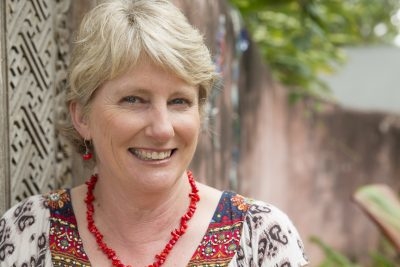
Sent in by Dr Andrea Britton – this month’s Unreal Veterinarian!

Author is Dr Marie Hollowaychuk and article can be found HERE


Let’s show ourselves a little more love and compassion!

0c8d6de1-b008-42fd-b977-1329a8297178-2

The month of February seems to be all about love and the heart…it is the month of fundraising for the Heart and Stroke Foundation, as well as the month when we get to do something extra special for our loved one on Valentine’s Day.  And as veterinary care providers, we spend most of our days loving and caring for others, whether it is our clients, patients, or co-workers, often putting their needs before our own.  But in doing so, we often forget that we deserve love and compassion as well.

As veterinarians and technicians, we are notoriously hard on ourselves.  On a day when we might see 15 appointments and speak with dozens of clients, it only takes one angry or frustrated client to cause us do doubt ourselves.  Likewise, we might have 10 positive reviews online, but if just one negative review pops up, we immediately blame ourselves.  Lastly, it can take just one error out of the hundreds of medical decisions that we make every day for us to question our abilities as veterinary care providers.

Why are veterinarians and technicians so hard on themselves?

The simple fact is that most of us are perfectionists and set very high expectations for ourselves.  Perfectionism is a personality trait that characterizes a person striving for flawlessness who sets excessively high performance standards for themselves (and others).  Perfectionists often engage in overly critical self-talk and have profound concerns regarding other people’s views or opinions.  They can be incredibly hard on themselves and feel that there is no room to make mistakes.

But isn’t perfectionism a good thing? 

While perfectionism can motivate people to succeed and achieve goals, it can also drive people to attempt to reach unattainable ideals or maintain unrealistic expectations.  And unfortunately when those expectations are not met, psychological distress can result.  A recent study assessing Australian veterinarians found that those who exhibit trait perfectionism are more likely to exhibit moral distress in the face of triggering stressful events.  For example, if met with the agonizing task of euthanizing a sick animal because the owners cannot afford medical care, perfectionists are much more likely to experience psychological distress because they are not meeting the unrealistic expectation of being able to save every animal that comes into the clinic.  These moral stressors can take their toll over time and are considered the leading cause of burnout in the veterinary profession.

So what can veterinary care providers do instead?

In addition to showing love and caring for others throughout our day, we also need to ensure that we are being our own “best friend”.  Ideally, we would show ourselves the same love and compassion that we would for our clients and patients, rather than ridiculing ourselves when we something does not go perfectly or turn out the way we hoped it would.  Here are some small ways that you can love yourself a little bit more:

  • Appreciate yourself: Before you go to bed each night, think of three things that you appreciate about yourself.  It might be as small as that you got out of bed and went to work that morning (even though you didn’t want to) or that you helped a co-worker during the day by seeing an extra walk-in.
  • Accept yourself: Embrace all parts of you, including the good, the bad, and the ugly.  We are all human and none of us our perfect.  Whether you cry over sad commercials or fly off the handle when difficult clients walk through the door, accept who you are and all that you bring to the table.
  • Be kind to yourself: When you make a mistake, give yourself a break.  Recognize that we are human beings and we make mistakes.  Rather than beat yourself up, be your biggest supporter.  Think about how you speak to a friend if they made a mistake and use those same words to lift yourself back up again.  Learn from the experience and try to look for the good in what happened.
  • Make time for self-care: Think about things you love to do and then make time for them.  Whether it’s taking a bath, reading a book, going to a movie, practicing yoga, or meeting a friend for coffee.  Engage in activities that fill you up and allow yourself the gift of this time while acknowledging that you deserve it!
  • Hug yourself and say “I love you”: This is one thing that many of us struggle with.  While it can be easy to tell others we love them, for some reason it can seem an impossible task when turned on ourselves.  But every morning when you get out of bed or before you fall asleep at night, this should be the first thing that you do.
  • Take care of your body: Feed your body with foods that nourish it and help you to feel better.  Exercise with the intention of building muscle and keeping your heart strong.  Get enough sleep at night.  When you feel sick or are injured, give your body a break, rather than pushing through.  Feel grateful every day for the body that you have knowing that it carries you through your day and allows you to do the work that you do.
  • Silence your inner critic: Notice the self-talk that goes through your mind during the day and imagine that you were speaking to a friend with those thoughts.  Would it sound harsh or critical?  If so, see if you can turn those thoughts into more gentle and kind words.  We can all benefit from being our biggest cheerleader rather than our loudest critic.
  • Practice self-compassion:  Accept that at times we need to accept “good enough” rather than “perfect practice”.  Realize that you can only do what time and resources allow and know that you are doing your best under the circumstances you are faced with.  Show yourself the same compassion that you would to others in a similar situation.self care

Source: Veterinarians and Technicians Can Use a Little More Love  ❤

Unreal Veterinary Careers! An interview with Dr Andrea Britton of Ultimate Efficacy Consulting

Intro by Emma – I am so excited about this one!

I met this fabulous person at the Australian Vets in Public Health dinner at AVA conference last year. We got chatting about interesting jobs and shared journeys (albeit working on the same issue at different stages) and all the inspiring ways that vets help out… When I asked for her name – Andrea told me and I am pretty sure I let slip – ‘Oh… wow… you are Andrea Britton…!’ in unmasked awe! Oops… hmmm… (not so smooth!)

So it is my great pleasure to introduce you to Andrea today – and for her to give you a glimpse at some of the fabulous work that she has done and is still undertaking – and to highlight some of the great ways vets can make this world a better place….

Welcome Andrea… May I ask… What are you working on/towards at the moment?

Andrea (A): At the moment I’m working on helping deliver the Sustainable Development Goals relating to health and poverty. I am fortunate to have developed collaborative relationships with groups in Asia and am assisting them as a veterinary public health epidemiologist to eliminate dog-mediated human rabies by 2030.

I am also assisting World Health Organisation (WHO) in ensuring effective and safe snake antivenoms for people in Sub Saharan Africa where over 100,000 people die annually from snake envenomation. With my equine veterinary and regulatory science background I am ideally positioned to provide expert advice on improving antivenom production in horses whilst also improving the welfare of the animals involved.

As a One Health advocate I am active in promoting One Health programs within Australia. My rural upbringing on a sheep/beef cattle property in central NSW and working in mixed rural veterinary practise provided first-hand experience on the needs of rural and indigenous Australians. I am keen to improve the health and wellbeing of rural and remote communities by assisting Non-Government Organisation’s (NGOs) like Vets Beyond Borders (Director on Board for 6 years) and AMRRIC (member).

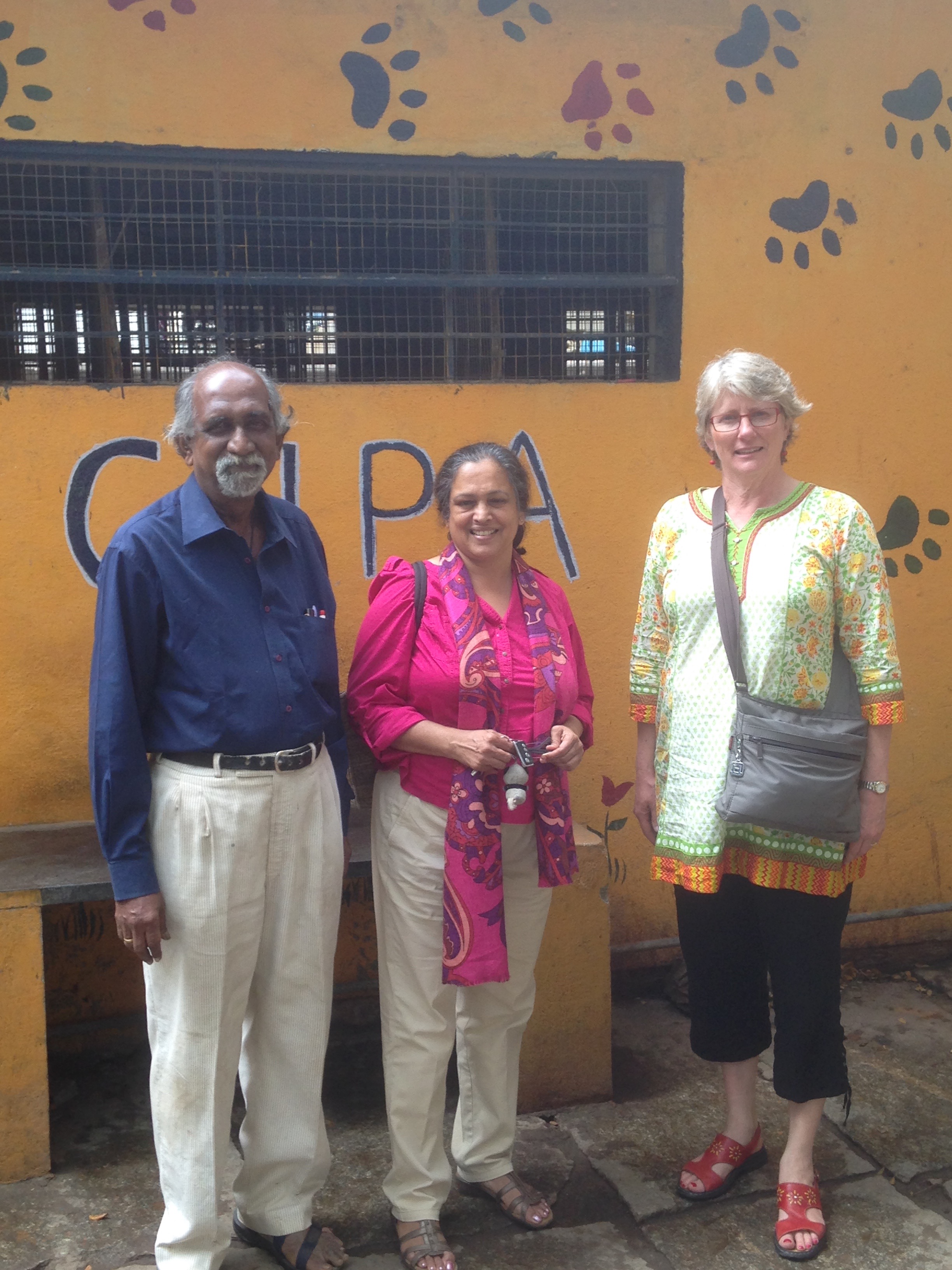
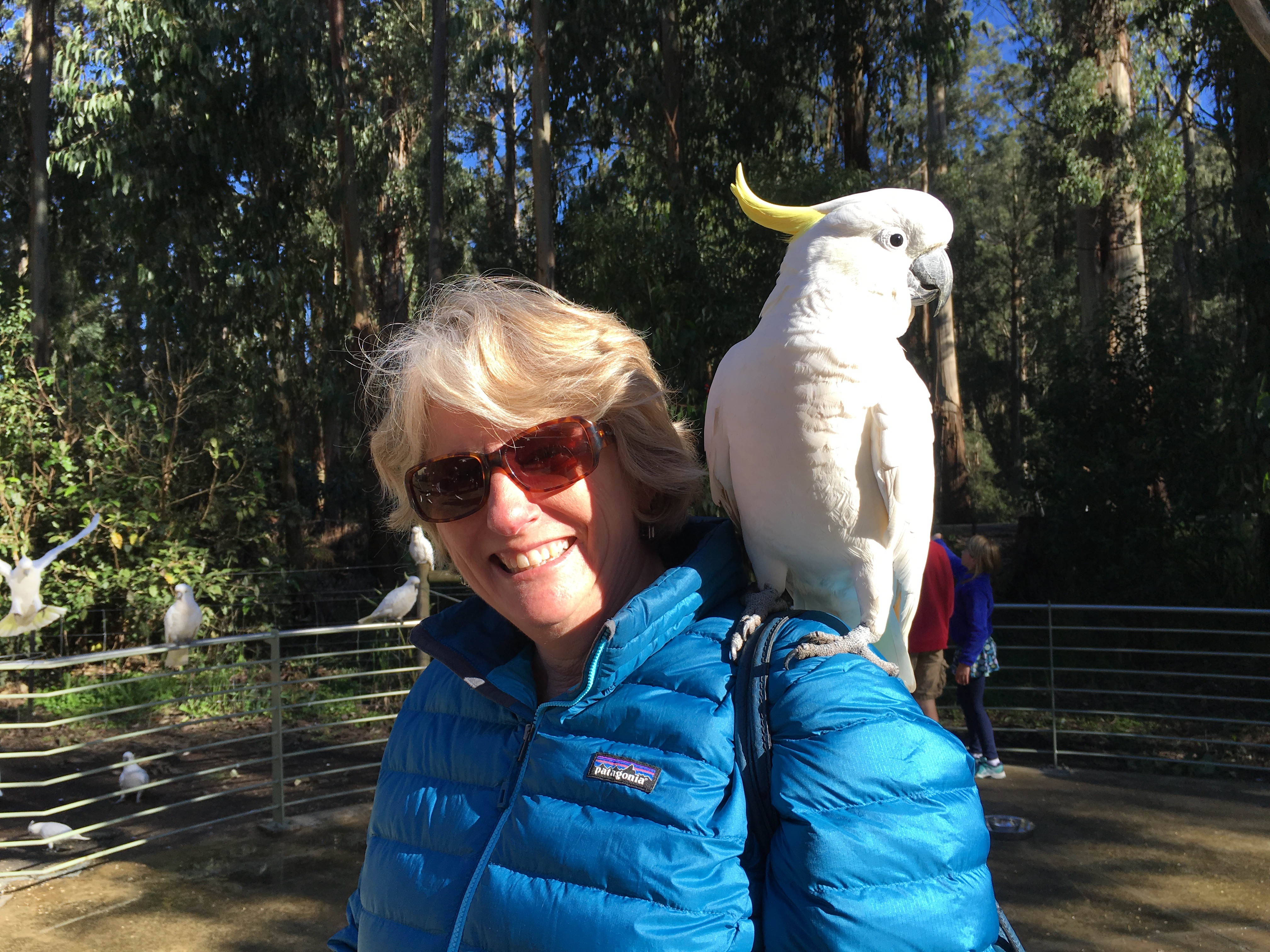
Photo: Visiting CUPA (Compassion Unlimited Plus Action) animal birth control and anti-rabies clinic in Bangalore, India in October 2015 on route to Vets Beyond Borders program in Bylakuppe. Standing beside Dr Shiela Roa (Co-founder) and Mr John, Manager clinic.

What drives you?

A: I am a life-long learner with a passion to study and ensure evidence-based culturally appropriate methods are introduced into One Health programs. I am very driven on programs I am passionate about. Having a supportive family and husband has been essential to my energy and drive. Helping people and animals also provides my strong persistence to keep on going and looking for solutions, at times to my own detriment. People say I’m great at connecting people and maintaining associations. Over the past 29 years since graduating from The University of Sydney vet school, I have slowly realised to make a difference in my professional life I need to stay topped up spiritually through yoga and meditation.  Perhaps my biggest motivator is the wish to leave my children and others with a land and world that provides a healthy future for generations to come.

As an example of what drives me. When I was on the Board of Examiners of the AVBC (for 8 years) I counselled a Sudanese veterinarian who had tried for over 10 years to pass the National Veterinary Exam, this vet was trained in agricultural veterinary science and had little experience in small animals/equine and had no contacts to get experience. Through introductions to vets– he gained the necessary experience and confidence and has now been working in rural Victoria for many years – this is what drives me, helping other vets to succeed, providing small opportunities and support and being empathetic.

What have been the major transitions in your path?

A: Studying Agricultural Science at Sydney University (1983) and transferring to Veterinary Science (graduated 1988).

Working as a mixed practice veterinarian (Australia and UK) and then becoming an equine resident stud vet on the second biggest Thoroughbred stud in Australia and then equine vet at Canberra Veterinary Hospital.

Deciding to move to pharmaceutical industry in 1995 started work as Veterinary Services Manager at CSL Limited, working in R and D and regulatory affairs.

Studying for my ANZCVS membership in Epidemiology with 12 other diverse veterinarians (1997), this provided the knowledge to assess and inquire differently about problems on a population basis.

Setting up my own consultancy in 2002 called Ultimate Efficacy Consulting Pty Ltd, to have more flexibility in my professional and personal life (don’t think that actually happened with a baby and 3 year old and 2 nannies).

Working as an epidemiologist and expert witness during the equine influenza outbreak, which provided the motivation to study a Masters of Public Health majoring in epidemiology and biostatistics at the School of Population Health at Melbourne University.

Studying part of MPH in India at the Comprehensive Primary Health Project, Jamkhed, where I learnt about taking time to develop trust with people in projects and meeting communities felt needs before addressing project objectives.

Consulting globally for WHO and other organisations using a One Health approach.

What has been a major highlight of your career?

A: A couple have been:

  • Helping to conduct trials and writing the registration package for Gudair an Ovine Johnes vaccine for sheep and goats providing farmers like my dad with a control option for this regulated disease, where back in the 1990 many farmers destocked their farms to control this challenging disease.
  • Being the only invited Australian to attend the WHO and OIE in collaboration with FAO and GARC, Global Rabies Conference in Geneva last December where 300 world leaders developed a framework to eliminate dog-mediated human rabies by 2030.
  • Writing an epidemiology report on how Equine Influenza entered and exited the quarantine station in August 2007, which helped guide an inquiry into this disease incursion. This didn’t feel like a highlight at the time but on reflection it lead to me to studying epidemiology and global health within my MPH.

IMG_2908What advice would you provide a younger you?

A: RELAX, start yoga and meditation and practise mindfulness early in life.

Take each day as it comes and don’t rush. Learn to say “No”, this one I am still learning.

LISTEN to your gut-feeling/intuition as it is almost always right!! Trust yourself and surround yourself with positive, inspirational and empathetic people.

Keep believing in your dreams and don’t let anyone tell you that you can’t be or do something.

It’s OK to FAIL – this one took me half a century to learn. There is nothing wrong with failing this develops resilience and a growth mindset.

Emma: Thanks for your time today Andrea!

—Ends—


Australian and New Zealand Laboratory Animal Association – Welfare Conference

Animal Welfare Symposium
The 2017 symposium will be held on Wednesday 24th May 2017 at the University of Western Australia,
For further information, please click here.
For details about registration, please contact Tecniplast
The Animal Welfare Workshop has had a strong response and is completely full. 

Source: Australian and New Zealand Laboratory Animal Association – CONFERENCES