
ARE FARM VETS A DYING SPECIES?

A look at the challenges facing large-animal practices in regional Australia, and at how practice owners, vet schools and industry are responding to them.

By Merran White, 

These days, the vast majority of vets work with small companion animals in urban areas, while mixed and large-animal practices—most of them regionally based—find it difficult to recruit or retain skilled vets. “It’s harder to get any vets—recent grads or experienced—into country large-animal practices,” says Mark Eagleton, owner of veterinary recruitment service VetLink. “Many start off in mixed or large-animal practices but find it’s a hard, challenging role, so they drift back to the cities. A big reason is that few city practices require after-hours work.”

Dr Debbie Neutze, policy manager with the Australian Veterinary Association, says the issue’s not that large-animal work’s unrewarding. “The issues that make it difficult for rural doctors and dentists are the same for veterinarians: real or perceived limited social opportunities; work for their partners and schooling for their families,” she says.

“These issues make it increasingly hard for any rural practice to attract and retain veterinarians.”

What these practices can offer vets, along with a diverse range of patients, is a slower, simpler, healthier lifestyle; cheaper real estate; space for growing families; and being on nodding, talking terms with everyone—including customers.

For city-bred vets, these pluses are typically outweighed by perceived negatives. But for those raised on farms, a rural large-animal practice is a natural fit.

Source: Vet Practice Magazine, AUGUST 28, 2017

Large-animal vet ‘brain drain’?

Dr Kathy Webb, owner and principal vet at Nanango Country Vets in regional Queensland, knows just how hard it is.

Raised in country towns, Webb married a Nanango grazier with a cattle property. She loves “the country lifestyle” and the diversity and challenges of large-animal work, but says city-trained vets can find it a challenge.

“I’ve worked mostly on my own for 23 years,” says Webb. “My practice is only one to two vets at any time, and I can only speak from my experience. I have had some keen and promising new graduates come in over the years but I’ve found it difficult to support them in permanent positions so that is one reason that they move on.

“I get the odd new grad or locum coming through, working casual, part-time or full-time, but they aren’t always keen to do after-hours work for award wages, and can sometimes struggle to handle jobs after-hours like calvings, colics and stitch-ups. It is also very difficult to find a suitable locum that can handle both large and small animals.

“Dealing with clients and jobs solo after hours can be also daunting to the inexperienced veterinarian,” she admits. “Often the young vets prefer to move on to small-animal practices.”

Dealing with clients and jobs solo after hours can be also daunting to the inexperienced veterinarian. Often the young vets prefer to move on to small-animal practices.”—Dr Kathy Webb, Nanango Country Vets, QLD

In agribusiness, where “it’s all about the economics”, there’s little room for sentiment. “I got called out the other day to a sick, heavily pregnant cow. She was dying, and the risk was that the calf would be lost too. There was nothing I could do to save the cow. I just said, ‘Alright, take a clean shot and I’ll cut the calf out’. In the end, the farmer got a live healthy calf to rear. Such action, though done humanely, can be confronting. Young vets need to be able to cope with that in the bush,” Webb says.

Her practice hosts UQ vet students who provide greatly appreciated assistance in the workplace, while gaining valuable experience. “Occasionally I will ask the odd one whether they would consider coming back to work here. Mostly, they already have decided to become small-animal vets and want to work in the cities where there’s better pay and hours. They don’t have to do rostered after-hours as emergency after-hours centres are available in bigger centres, so they know there won’t be clients ringing at 2am.”

The large-animal ‘brain drain’ is exacerbated by the fact that vets in small-animal-only practices don’t get to hone their large-animal skills, “which means there’s only a small pool of experienced vets with that skill set”, Eagleton says.

“It’s tricky,” he admits. “Do large-animal practices need to offer more incentives? Probably, yes.”

The bottom line

Those who can offer financial sweeteners. “Many rural practices pay higher wages as an incentive to attract employees,” says AVA’s Dr Neutze. “Unfortunately, unlike doctors and dentists, vets have no health-department incentives to help.”

Larger practices may offer incentives such as half the call-out fee for after-hours jobs, Webb notes, but sole practitioners may not be able to afford to pay more than award, which is the usual hourly rate plus an on-call hourly fee.

Equine practices may be better placed to attract and retain vets: equine is a popular large-animal specialisation. However, factors beyond practice owners’ control can undercut profits.

“The Hendra virus issue, whereby vaccination rates are low, has impacted our bottom line. Treating sick horses and doing dentals has become more complicated biosecurity-wise, and owners ring around looking for a veterinarian who they hope will treat without testing or requiring HeV vaccination. This is disappointing, as horses are one of my special interests,” Webb says. “Small animals—70 per cent of our work—actually keep the practice profitable and have always done so.”

On the upside, pig and cattle prices are up, and cattle call-outs are increasing, she notes. “With beef prices so high, they’re getting us back more often to do pregnancy testing, bull semen testing, examinations and calvings. I’m even seeing sick calves again. With prices so low for the last 20 years, graziers have been reluctant to call me out for a calf valued at $20 or so.”

Ag-animal education

A solution may be to set up regionally-based veterinary courses focused on agricultural and large-animal work. The Veterinary and Animal Sciences School at NSW’s Charles Sturt University is a pioneer in this regard.

Since 2005, its School of Veterinary and Animal Sciences has been actively recruiting students with a demonstrated interest in working with large and production animals, with preference given to applicants from rural and farming backgrounds.

“Graduates who’ve grown up in rural environments tend to adapt to the lifestyle more readily.”—Professor Glenn Edwards, School of Veterinary and Animal Science, Charles Sturt University

According to Glenn Edwards, Professor of Veterinary Surgery and hwead of CSU’s School of Veterinary and Animal Science, the idea began with a 2003 review by Peter Frawley, commissioned to address Australia’s future animal-health needs and the roles, availability and capabilities of rural veterinarians to meet them. The review identified that ‘rural veterinarians have to contend with rising costs, a reluctance of producers to utilise their services, long hours, limited social opportunities and schooling for their families’………

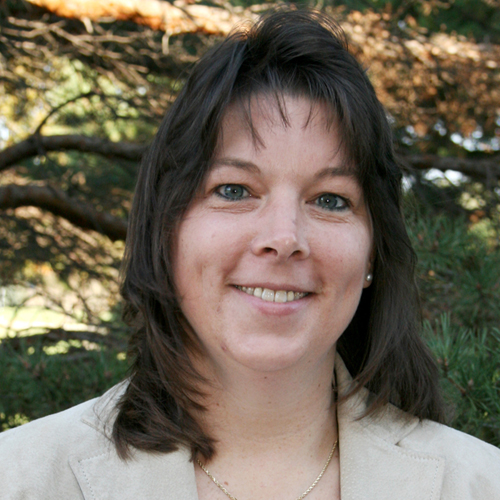
For the full article – please continue to: Are farm vets a dying species? – Vet Practice Magazine

Animal Disease Emergency Response Online Course Offered in September – Center for Food Security and Public Health

Open September 2017

Animal disease emergencies involving livestock and poultry diseases of high consequence or foreign origin will have serious economic consequences at the local, state and national level. The rapid detection and response needed will require the collaboration of trained responders.

The Center for Food Security and Public Health (CFSPH) at Iowa State University College of Veterinary Medicine will offer a web-based course, Animal Disease Emergencies: Understanding the Response, September 20-30, 2017.

The cost for the course is $100. To find out more and to register, visit: http://www.cfsph.iastate.edu/ADE-Course/.

This awareness level, web-based course is designed for anyone who may be involved in an animal disease response, including veterinary and animal health responders, livestock or poultry industry groups, and producers. Traditional responders, such as emergency managers, law enforcement and fire department professionals can also benefit and learn the roles they may have during responses.
GlendaDvorak_WebDr. Glenda Dvorak, DVM, MPH, DACVPM, course instructor, Assistant Director, CFSPH, explains, “This course will help responders gain a better understanding of animal disease emergencies, the response organization, coordination, tasks and goals, which will help better prepare our nation for an effective and efficient response for these situations.”

About the Center for Food Security and Public Health

The Center for Food Security and Public Health (CFSPH) is internationally recognized for providing educational materials and animal disease information. The CFSPH was established in 2002 through funding from the Centers for Disease Control and Prevention (CDC) to increase national and international preparedness for accidental or intentional introduction of diseases that threaten food production or public health. The CFSPH website (www.cfsph.iastate.edu) is the Number One result on Google searches for “animal disease information,” with more than 450,000 visits annually.

Vets bare all for Burrumbuttock Hay Runners | The Examiner

CAPTURE: James Cook University vet students support the Burrumbuttock Hay Runners this year with their annual Vets Uncovered Calendar. Photo: Vicki (Miller) Pugh.
James Cook University Vets Uncovered 2018 Calendar raises funds for Burrumbuttock Hay Runners

James Cook University students have launched their annual nude calendar and video that gives an insight into how 2018 Vets Uncovered calendar was shot.

In its third year, Veterinary Science students from Townsville are raising money for their graduation ball and this year’s chosen charity, Burrumbuttock Hay Runners.

About 70 students took part in this year’s calendar, hoping to raise as much money as possible for drought-stricken farmers.

Fourth year Veterinary Science student, Amy Neale, said 10 per cent of the proceeds would go to the Hay Runners.

“If we sell all 1500 copies, we will be able to donate $3000 to the charity,” Ms Neale said.

“Each year we try to chose a charity relevant to us, as rural vet science students. So this year we chose the Burrumbuttock Hay Runners to help them support local farmers.

“Each year Burrumbuttock Hay Runners do a charity run to drought-stricken parts of Queensland and supply feed and produce to farmers who are doing it tough.

“As the drought continues it is definitely relevant to Queensland at the moment, so we wanted to support something close to our hearts and assist farmers.”

The photoshoot was taken at Grass Hut, Charters Towers with photographer Vicki (Miller) Pugh capturing the students on her property.

“We got some beautiful shots around Vicki’s horse stud, on machinery, in the yards, around baby farm animals; so there is a bit of everything,” Ms Neale said.

“These beautiful shots will definitely catches people attention and it was all a bit of fun and in good spirit.

“As our calendar is rural-themed in conjunction with our course and charity, it allows the agriculture industry to be seen in a different, more fulfilling light.

“We are just so happy with the community, university and industry support since we started this process three years ago.

“The support we get each year from vet clinics and industry-based professionals is great and makes it all the more worthwhile.”

The 2018 Vets Uncovered calendar is available for pre-sales and the calendars will be shipped out in October.

Source: Vets bare all for Burrumbuttock Hay Runners | The Examiner 

2018 CLUNIES ROSS AWARDS

Nominations are now open and close 2.00pm AEDT Friday 27 October 2017.

Over the past 25 years the Clunies Ross Awards (CRA) have recognised contributions by dedicated individuals to the application of technology for the benefit of Australia. In recognition of the complex nature of such activities the Clunies Ross Awards are awarded in three categories with a single winner in each category.

AWARD CATEGORIES

Clunies Ross Entrepreneur of the Year Award

For those who have played a leadership role in the translation of a technology-based product or service that has led to financial success and demonstrated impact for Australia, and in which they have personally had a significant input in the inventorship or development of the technology. Such a person would typically have business responsibility as a CEO or a senior manager and may be working in either an early stage SME or a mature company environment.

Typically this would be an entrepreneurial person leading an activity that is disrupting well established vendors or commercialising new opportunities through innovative use of new technologies.

Clunies Ross Knowledge Commercialisation Award

For those who have been responsible for the development and adoption of a technology and for sharing their knowledge leading to commercialisation, for example by licensing with a financially successful outcome.

Typically this could be a researcher or developer in a Public Funded Research Organisation, university or private company who has successfully passed his or her product/invention/service to a third party to commercialise and has generated significant revenue to the person and /or organisation they are associated with.

Clunies Ross Innovation Award

For those who have been responsible for the development and adoption of a technology that has significantly improved societal and/or industry capabilities. In this case the primary outcome is not a financial benefit but has measurable broad community or industry impact.

Typically this could be a researcher or developer in a Public Funded Research Organisation, university or private company, where the outcome is in the form of industry development, or measureable improvement in community well-being or sustainability measures. Examples could include technologies that improve remote monitoring of agriculture/ecosystems, or improved access to remote learning and health care.

The Australian Academy of Technology and Engineering administers the award which will be presented at the ATSE Innovation Dinner at the annual ATSE National Technology Challenges Dialogue.

SUBMITTING A NOMINATION

Please download and review the following documentation to assist you in making a nomination.

APPLY AT: https://www.atse.org.au/content/about/clunies-ross-award-nominations.aspx

Science and Industry Endowment Fund—Australian Academy of Science Fellowships to the Lindau Nobel Laureate Meetings

Nominations close 5pm AEDT on Tuesday 3 October 2017.

Science and Industry Endowment Fund—68th Lindau Nobel Laureates Meeting with Nobel Laureates from the field of physiology or medicine

24-29 June 2018

Status

Applications for the 2018 meeting are now open.

For more information on the Meetings of Nobel Laureates in Lindau please visit www.lindau-nobel.org.

Important notice

Nominations will be considered by an Australian Academy of Science selection panel and a maximum of 10 short-listed nominations will be recommended to the Council for Lindau Nobel Laureate Meetings. The final decision regarding attendance at the 68th Lindau Nobel Laureate Meeting will be made by the Council for Lindau Nobel Laureate Meetings. Decisions are based on the assessed competitiveness of the application. The Academy is not able to enter into discussion or correspondence regarding the reasons why an application is successful or not.

The Lindau Council Review Panel has previously rejected applicants who did not put sufficient effort in completing their profile and in providing information for the reviewers.

Terms of award

The successful candidates will receive a grant-in-aid from the Academy up to AUD6,750 (GST exclusive) towards the cost of:

  • an international return economy airfare from Australia to the international airport closest to Lindau (up to AUD3,500)
  • participation (including accommodation) in the Lindau Nobel Laureate Meeting (up to AUD3,250).

All successful candidates are expected to attend the full program of events of the 68th Lindau Nobel Laureates Meeting. Delegates will need to arrive in Lindau before the opening ceremony on Sunday 24 June 2018 and depart after the close of the program on Friday 29 June 2018. Delegates will then have the opportunity to take part in a 3-day site visit tour of relevant laboratories and businesses in Germany, concluding on the morning of July 5 2018. The tour is also funded by the Science and Industry Endowment Fund.

In addition, successful candidates are invited and expected to attend Science at the Shine Dome, an annual celebration of science held at the Academy of Science in Canberra, 21-24 May 2018. This will involve a briefing for the selected young scientists by Fellows of the Academy prior to the Lindau meeting. A travel grant of up to $500 will be provided by the Academy to assist with travel and accommodation costs. The registration fee, including attendance at specific Early Career Researcher events, is covered by the Australian Academy of Science.

The program does not provide funds for bench fees, managerial, insurance or visa costs.

Eligibility

Ideal applicants will demonstrate a strong commitment to their principal field of studies and to interdisciplinary work, for example by double degrees or interdisciplinary projects.

The application must be submitted by the Research Office (or equivalent) of the institution. Each institution is limited to applying for two grants on behalf of two early career researchers. Eligible institutions include Australian universities, Australian publicly-funded research organisations and research-focused institutions. Students are asked to submit their applications to their relevant research office for selection. Submissions directly from students to the Academy will not be considered.

  1. Applications are open to eligible Australian-based early career researchers, specifically:
    • applicants currently enrolled in a research higher degree* at an Australian University
    • applicants who have (1) undertaken a research higher degree* and the applicant’s most recent higher degree has been conferred for less than three years and are (2) working in an Australian university, Australian publicly-funded research organisation or research-focused institution.
      The above must be current at the date of the Lindau meeting. Please note that selection will favour applicants currently undertaking doctoral studies or postdoctoral fellowships.
      *Master of Philosophy (MPhil), Doctor of Philosophy (PhD) or a Postdoctoral Fellowship.
  2. Applicants must be aged 35 years or younger at the time of the meeting.
  3. Applicants will not hold a permanent position (in particular professorships).

Reporting requirements

Successful applicants will be required to submit a report and provide evidence demonstrating that the funds have been appropriately expended within one month of the completion of the meeting.

Materials to be submitted

  • Application form
  • Curriculum vitae (maximum two pages)
  • Recent publication list, including conference presentations (maximum two pages)
  • Letter of recommendation from your academic advisor or internationally renowned scientist, including the specialist scientific expertise of the referee. A strong letter of support which highlights achievements such as academic excellence, conference publications, tutoring experience, awards received, print publications, extra-curricular activities and any other items of note specific to you is essential.

Applicants are to submit all documentation to their relevant research offices to be considered for nomination.

Research offices please return the nomination forms and supporting documentation via email to lindau@science.org.au

The deadline for nominations is 5pm AEDT on Tuesday 3 October 2017.

More information

For more information, contact:

Email: lindau@science.org.au
Phone: +61(0)2 6201 9484

National Committees
Australian Academy of Science
GPO Box 783
Canberra ACT 2601

This project is supported by the Science and Industry Endowment Fund.