2018 Science and Innovation Awards for Young People in Agriculture, Fisheries and Forestry

Description:

Grant applications are now open for the 2018 Science and Innovation Awards for Young People in Agriculture, Fisheries and Forestry. If you’re 18-35, this is your chance to apply for a grant of up to $22,000 to fund your project on an innovative or emerging scientific issue that will benefit Australia’s primary industries.

The Science Awards encourage young scientists, researchers and innovators with original projects that will contribute to the ongoing success and sustainability of Australia’s agricultural, fisheries and forestry industries.  The Science Awards have already helped more than 210 young Australians make their ideas a reality and showcase their talent to the world.

There are eleven industry Science Award categories open for applications: cotton; dairy; established, new and emerging rural industries; fisheries and aquaculture; grains; health and biosecurity; meat and livestock; pork; red meat processing; viticulture and oenology and wool. Each category includes a $22,000 grant, and is generously supported by the research and development corporations and industry organisations as our Science Award partners.

Winners of the industry category Science Awards are then invited to apply for the Minister for Agriculture and Water Resources’ Award, which provides additional funding for an extended research project.

Eligibility:

Applicants may include young producers (farmers, fishers, foresters etc), scientists and researchers, extension officers, students or industry advisers.

To be eligible, applicants must meet all the requirements below:

  • be between the ages of 18 and 35 (inclusive) by the closing date.
  • be Australian citizens or permanent residents by the closing date.
  • be working, employed or studying in an agriculture, fisheries or forestry related industry (including food and sustainable natural resource management). Proof such as a letter of employment, scholarship or current pay slip may be requested by the organiser if this information is not immediately discernible.

An applicant is ineligible if they are:

  • employed by a sponsoring organisation in the award category they are applying for.
  • have an immediate family member (a sibling or parent) who is employed by a sponsoring organisation in their selected award category.
  • employed by a Non Corporate Commonwealth entity.

Note: Employees of entities that are classified as Corporate Commonwealth entities are eligible for the Awards.  Corporate Commonwealth entities are legally separate from the Commonwealth; non-Corporate Commonwealth entities are part of the Commonwealth (see PGPA Act, Section 11).

For clarification on the PGPA Act and the relevant entities, visit the Department of Finance website and the document List of GGS, PNFC and PFC entities under the PGPA Act.

Note: New Zealand citizens currently permanently residing in Australia are advised to check their eligibility under Section 6. ‘Who is eligible to apply for funding’ in the Grant Programme Guidelines. .

The age range of 18–35 years for the Awards is considered to have an exemption under the Age Discrimination Act 2004.

Grant Activity Timeframe: 12 months.

Total Amount Available (AUD): $242,000.00

Estimated Grant Value (AUD): From – to $22,000.00

Instructions for Lodgement: Lodge your completed 2018 application form by 5pm AEDT Friday 13 October 2017 via email scienceawards@agriculture.gov.au.

Need advice? Contact the Science Awards team at scienceawards@agriculture.gov.au or phone 02 6272 2303 / 02 6272 2260.

_______________________________________________

Contact Details

Science and Innovation Awards

P: 02 6272 2260

E:

W:

GO ID: GO331

Agency: Department of Agriculture and Water Resources

Close Date & Time: 13-Oct-2017 5:00 pm (ACT Local Time)
Show close time for other time zones

Internal Reference ID: Science Awards

Primary Category: 111004 – Rural Development

Publish Date: 11-Aug-2017

Location: ACT, NSW, VIC, SA, WA, QLD, NT, TAS

Selection Process: Open Competitive

Source: GrantConnect: Current Grant Opportunity View – GO331
World Health Organisation (WHO) video courses on health emergencies for responders 

Date: Sat 17 Jun 2017

WHO has launched a series of video courses on epidemics, pandemics and health emergencies. Geared for responders working in emergencies, the courses are also accessible to the public.

The courses, which are on a platform called OpenWHO, transform complex scientific knowledge into easy-to-understand introductory video lessons, using a smaller bandwidth so that people in any country can access them. Offline versions are available on both Android and iOS devices.

The platform can host an unlimited number of users and is free and open to anyone wishing to register.

OpenWHO has 4 channels. One of the important channels is “Outbreak,” which focuses on diseases that are epidemic or pandemic-prone, such as Ebola, MERS, Zika, yellow fever, and pandemic influenza.

Each course contains concrete knowledge and practical skills for our members and staff who are working in the field (e.g. infection prevention and control for viral hemorrhagic fever, ventilation management for severe acute respiratory infection). These courses will also be helpful to those who train medical workers in the field in epidemics and pandemics.

In addition, this platform includes:
– GetSocial!, which covers social science interventions such as risk communication, community engagement, and social mobilization.
– Ready For Response, which offers courses on WHO’s emergency response framework, Incident Management System and pre-deployment trainings for people who might be sent to countries for emergency response.
– The Global Outbreak Alert and Response Network (GOARN), which provides them with the training necessary to participate in responses.

All courses are in English, and many are also available in French and Arabic. To ensure that everyone involved in emergency response has the latest science and operational information, WHO makes some courses available in local languages and dialects during epidemics and emergencies.

The video courses can be accessed here:
OpenWHO: <https://openwho.org>.

The mobile phone apps can be downloaded here:
– Android app:
<https://play.google.com/store/apps/details?id=de.xikolo.openwho&hl=en>

– iOS app:
<https://itunes.apple.com/us/app/openwho/id1183923481?mt=8>

–Date: Sat 17 Jun 2017

Source: WHO

<http://www.who.int/csr/edcarn/en/>


Now Hiring Veterinarians ~MPI – Ministry for Primary Industries. A New Zealand Government Department.

MPI vets make sure New Zealand’s food and animal products are of a high standard and that animal welfare is being looked after. Find out more about their work and how to join the team.


RECRUITING – REGISTER YOUR INTEREST NOW

The Ministry for Primary Industries (MPI) is looking for veterinarians from New Zealand and overseas who:

  • are either registered or eligible for registration with the Veterinary Council of NZ
  • have great people skills
  • are passionate about maintaining our high animal welfare and food standards.

Vets ensure high standards

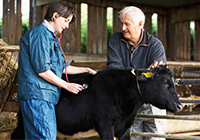
A vet checking a cow on a farm with a stethoscope with help from a farmer
MPI vets check animals for health and welfare

MPI’s Verification Services makes sure New Zealand’s animal products meet New Zealand standards and the standards of the countries we’re exporting to. Our vets play a key role, working on the front line to ensure the welfare of animals, and that our food and animal products are safe and suitable.

As an MPI vet, you’ll talk to a range of people in your day-to-day work – so you’ll need to be able to translate your technical knowledge into everyday language and relate well with others.

Many career paths for MPI vets

MPI vets work in both rural and urban areas throughout New Zealand where meat, seafood and other animal products are processed and stored. As an MPI vet you might:

  • work with providers on-farm to ensure animal welfare is maintained
  • audit cold store, deer, fish, and chicken farm processing – meeting with facility managers, making sure animal welfare is protected, verifying their processes, and providing export certification
  • work on-site at processing facilities – conducting ante-mortem and post-mortem inspections, monitoring animal welfare compliance, reviewing post-mortem processes, certifying products for export, and working with on-site managers to ensure safe and efficient processes.

Our vets also:

  • certify food and animal products for export
  • verify and certify processing facilities for meat, seafood, game, and dairy
  • certify imported animal products at airports or seaports
  • monitor containment facilities of animals (like zoos) to ensure that they are free of biosecurity risk.

Other roles suitable for MPI vets include market access, policy, or biosecurity career pathways – all of which are open to you.

Want to become an MPI vet?

You’ll need:

  • a veterinary qualification that is eligible for registration with the Veterinary Council of New Zealand
  • a commitment to ensuring animal welfare requirements are met
  • computer literacy and familiarity with Microsoft software
  • a positive attitude and flexible approach to new challenges and ideas
  • good interpersonal skills
  • to value differences and respect alternative views
  • sound written and verbal communication skills
  • the ability to work and make decisions independently
  • a commitment to team work.

Register your interest

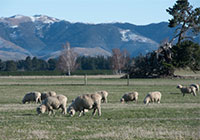
Sheep in a paddock
MPI vets work in both rural and urban New Zealand.

If you think you have the skills we’re looking for, you can register your interest and we’ll keep you up-to-date on the latest opportunities.

Full training after you start

If you become an MPI vet, you’ll get formal training to help you do your job. You’ll spend 6 to 8 weeks in full-time technical training before you are warranted as an MPI vet.

Once you start work as an MPI vet you’ll also get:

  • ongoing, on-site practical training, mentoring and technical support
  • a comprehensive in-service training programme to develop your technical and management skills (including interpersonal and communication skills).

THINKING ABOUT MOVING TO NEW ZEALAND?

Not sure whether to make the move to New Zealand? Find out what it’s like, where to find support, and what your employment rights are.

Who to contact

If you have questions about becoming a vet, email rst@mpi.govt.nz

Source: Veterinarians | MPI – Ministry for Primary Industries. A New Zealand Government Department.

Kids and Conferences: Crazy Concept or Progressive Parenting?

Are caring responsibilities hampering your ability to get to meetings, network and build collaborations? What solutions are there?

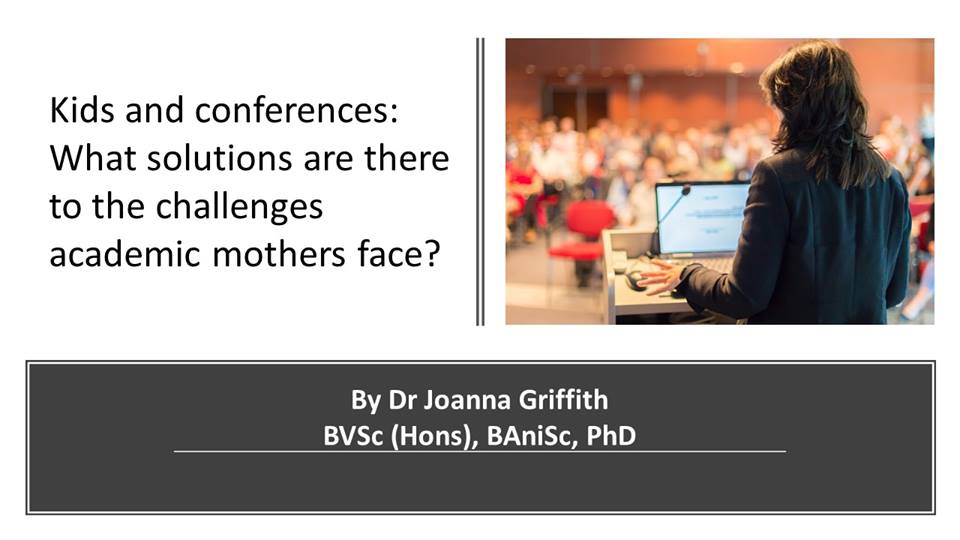
In her article, Dr Joanna Griffith discusses the challenges of combining kids with conferences. She examines the reasons why academic women often find it more difficult to combine travel for work with their parenting responsibilities than their male counterparts do, and questions whether conferences providing childcare is a viable solution.

‘Carers returning from maternity leave or other career breaks often need to rebuild their networks, refresh their knowledge and reinvigorate their enthusiasm for their career. Conference attendance is a vital part of a professional career. But caring responsibilities can make it difficult or, at the least, financially very expensive to attend meetings.’

Read the full article ……… 

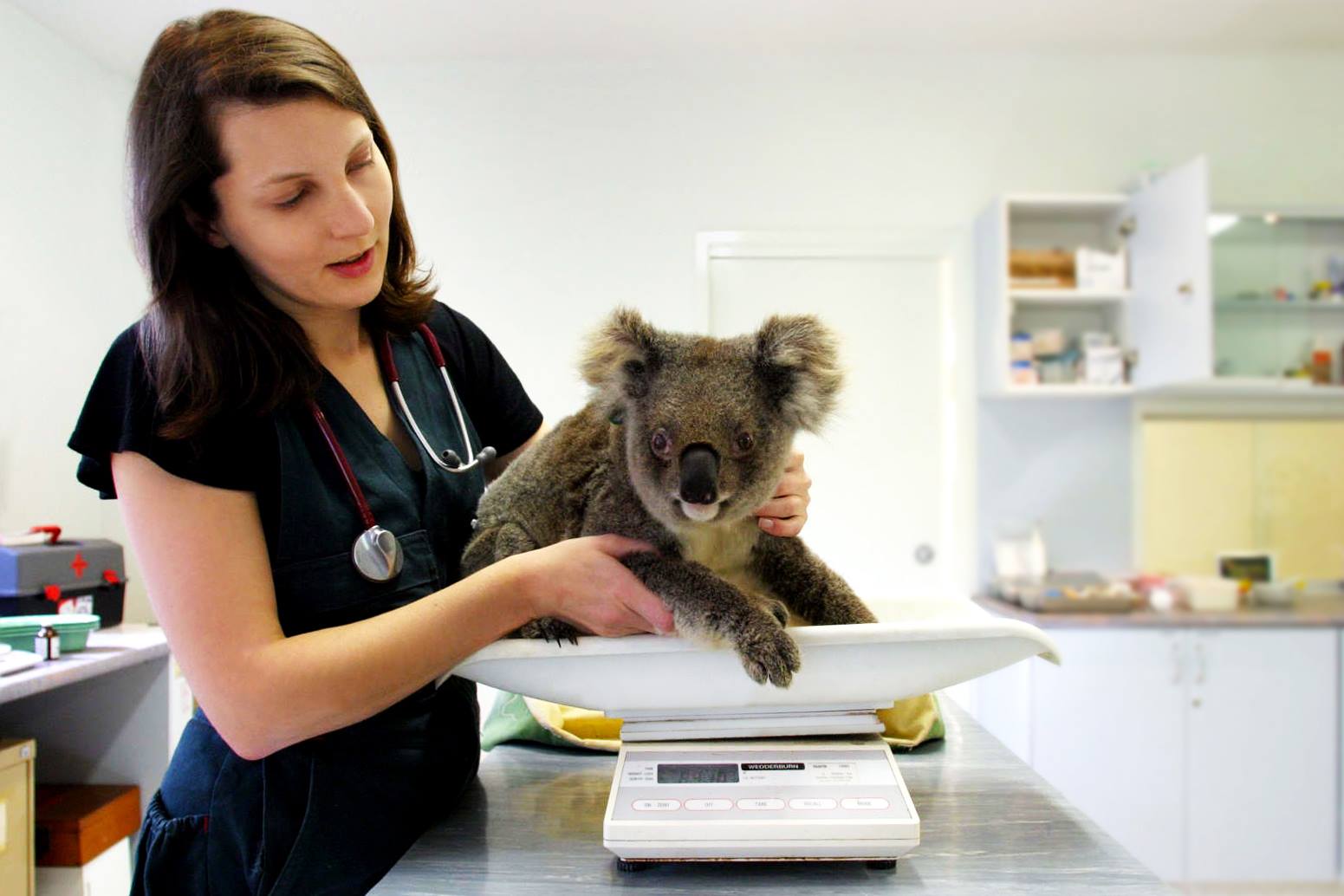
A note on the Author – Joanna Griffith BAnimSc BVSc(Hons) PhD

18789964_10210724478962675_896117645_o

Joanna enjoys the great variety that a veterinary career can bring – she currently works in small animal, exotic and zoo practice. She has taught and continues to teach students from primary school, TAFE students, undergraduate veterinary students through to post graduate veterinarians. She helped found and administers the Veterinary Clinical Pharmacology Network http://vcpn.cve.edu.au/, a forum for practitioners, academics, students and industry-based professionals interested in pharmacology and toxicology. Her teaching encompasses animal studies, veterinary nursing, veterinary pathology, pharmacology and anaesthesiology. She has completed a PhD at the University of Sydney in koala disease and pharmacology, and has a particular love of evidence based medicine. Most recently she has been working as a professional writer for Capstone editing.

Image source: Sarah Rhodes and Capstone Editing


The pitfalls of peri-urban practice (as a veterinarian) | Guyan Weerasinghe

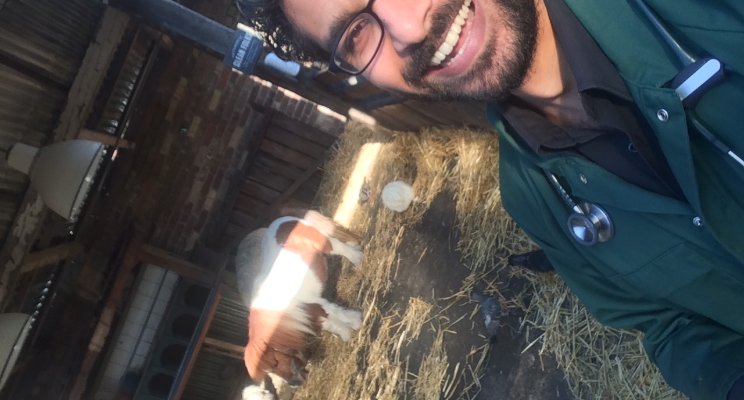
Guyan Weerasinghe, Director at VeterinaryCareers.com.au

(Published on LinkedIn – May 13, 2017)

Peri-urban farms, smallholder farms, hobby farming, absentee landholders, backyard beasts – the list goes on, yet the sentiment, challenges and opportunities remain the same.

What is the definition of these production systems? Some define smallholder lots as properties that are less than 10 acres, whilst other define them as properties carrying less than 50 head of stock.

In developed countries, these kinds of farmers have a range of motivations and can include folk who are seeking a patch of land to escape the suburbs, raise livestock like they used to in their country of origin, or seek to raise their own food including protein.

Yet, such farms also bring their own challenges from the perspective of a veterinarian.

In my first role as a mixed practitioner veterinarian, I once visited a farm to examine a “pig with a sore ear”. At least that’s what was written on the booking schedule. Noticeably missing from the schedule book was the minor detail of the pig being a hand-raised, feral sow. A hand-raised feral sow who was easily 40-60kg heavier than I was. Or that she had an immense dislike of strangers. Men, in particular. No, these details were relayed to me by the owners as I was stepping over the fence and handed a piece of poly pipe for protection. The initial ‘meet and greet’ went well, however things turned rather sour when I opted to go “best practice” and swab her ear for a cytological examination. No sooner had my ear swab gone into her ear, no amount of food distractions from the owners could stop her from turning around, knocking me to the ground and gnashing at my outstretched hand.

Pig 1:0 Guy

Whilst my pride was probably the most damaged from that little episode (followed closely by a quality gash on my palm, setting up another lifeline to befuddle any fortune tellers), it did teach me a valuable lesson about choosing my battles with diagnostic workups.

Usually, these stories are stored up for sharing with colleagues at conferences and after a couple of rounds of such tales (and beer) a common denominator starts to arise – we seem to have more of these horror stories when dealing with hobby farms than we do in larger production farms. From poor facilities, animals unaccustomed to handling, animal welfare concerns and a lack of basic husbandry practices – we’ve seen them all.

This is not to say that all hobby farms are work, health and safety minefields, however, there seems to be an anecdotal trend amongst many of my peers.

Knowledge of animal diseases and welfare is another aspect that is a challenge in peri-urban practice. Some smallholder farmers are quite clued up and have a great relationship with their local veterinarian to help investigate problems and help develop management programs. Yet is a proportion out there of smallholder farmers who won’t call their veterinarian and leave the issue until the situation deteriorates. Much of my livestock work in the periurban sphere used to be dealing with welfare cases – emaciated livestock due to poor planning and nutrition. Furthermore, in certain urban sectors, the awareness of livestock health and diseases is diminishing due to expanding urban sprawl and fewer veterinarians electing to maintain a mixed-practice focus.

Another factor of concern is the practice of some smallholder farmers utilising online platforms such as Facebook or Gumtree. Many of the animals purchased through these systems may run the risk of spreading infectious animal diseases in a manner that is not traceable.

The Australian Veterinarians in Public Health (a special interest group of the Australian Veterinary Association) are seeking to promote an increased awareness amongst veterinary practitioners of programs and training that are currently available. Over the coming month, a number of events will be of interest to many veterinarians who deal with hobby/peri-urban/backyard-farmers.

On the 18th of May, the AVPH will be hosting a webinar from 7-8pm (Australian Eastern Time) on the subject of Australian smallholders and biosecurity. Featuring Dr Kevin Doyle and Dr Marta Hernandez-Jover, participants will get up to speed with ‘the state of the nation’ on how smallholders fit into the larger national biosecurity system. Current research will also be shared with the motivations and influences within this sector of farming.

On the 9th of June, AVPH in collaboration with Agriculture Victoria, DPI NSW, 3M, CSU and the Mackinnon project (University of Melbourne) will be hosting a one-day practical workshop to help make practitioner in the peri-urban sphere feel more comfortable with working with smallholder farmers – from subjects about notifiable diseases, suitable PPE and practical on-farm skills. Presentation topics and workshop activities are captured on the image below:

This workshop will follow the national AVA conference that will be held between the 4-9th of June in Melbourne. Registration for the workshop can be accessed via the conference registration page
The NSW Department of Primary Industries is hosting a free e-learning training course for veterinarians who deal with hobby farmers and backyard livestock. This was a collaborative effort with Animal Health Australia and the Australian Veterinary Association. Australian veterinarians are welcome to sign up and take part in this 2-hour online course and earn 2 CPD points in the process. Further details can be found on the DPI NSW Greater Sydney Peri-Urban Biosecurity Program website.
This is, by no means, a definitive list of all the opportunities available out there, but it should serve as a handy stepping stone for any practitioner who’d like to brush up on their smallholder know-how and feel more confident whenever they step onto a hobby farm.