Where have all the vets gone? – Vet Practice Magazine

In researching for a proposal I have come across this great article by Vet Practice Magazine’s Merran White  – it outlines some of the issues our profession must find new solutions for really well. Notably quoting the very competent and knowledgeable Debbie Neutze, AVA who has focused on the profession and created the AVA Workforce Data since 2012. Great work – Vet Practice Magazine! (DrM)
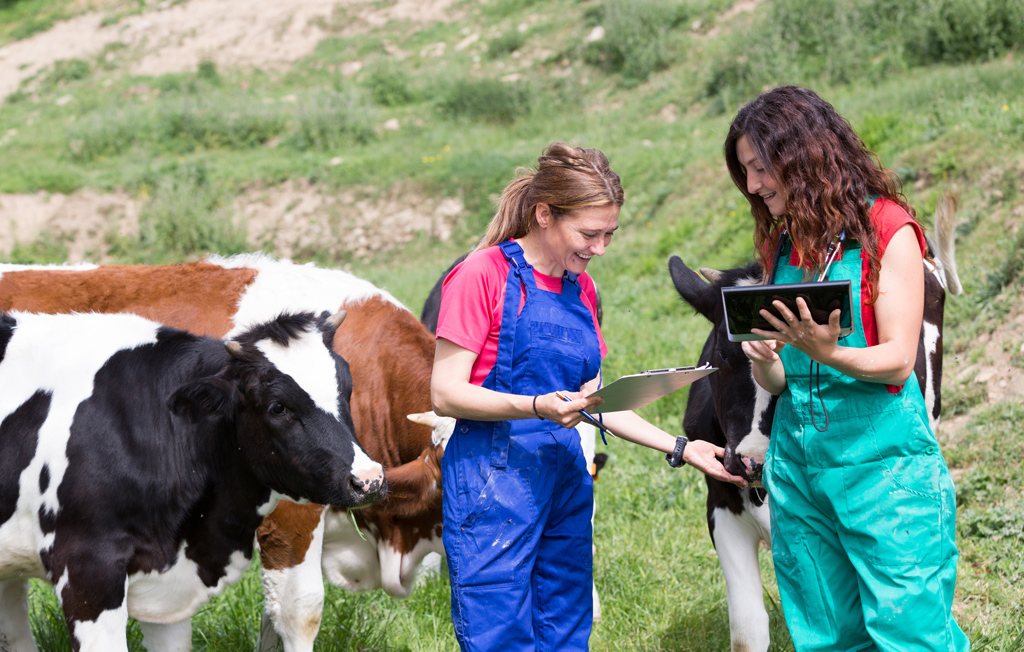
Despite a steady supply of new vet graduates, practices across Australia are finding it hard to fill job vacancies. What is going on and what can be done about it? Merran White investigates

In the past decade, the number of Australian universities offering veterinary courses has jumped from four to seven; collectively, they churn out an estimated 500-550 graduates a year.

Even accounting for the fact that some are overseas students who return home post-graduation, you would think there would be enough vets to go around. Yet many practices are having trouble attracting suitable candidates to veterinary jobs.

For Dr Debbie Delahunty, owner and head vet of Horsham Veterinary Hospital in regional Victoria, recruiting vets to her small-animal practice was never an issue—until last year. And she is not alone; at the 2016 Australian Veterinary Business Association (AVBA) conference, where she hosted dozens of delegates at roundtables on recruitment, Dr Delahunty was “really surprised” at the number of city practice owners expressing similar problems.

“While [most] seeking new graduates have few issues filling positions, employers in some regional areas in SA, the ACT, Perth and outer Sydney metropolitan areas have reported difficulties finding suitable veterinarians with three to five years’ clinical experience seeking full-time employment,” confirms AVA policy manager Dr Debbie Neutze.

What’s causing the vet drought?

Several potential contributing factors have been proposed to explain the recent recruitment squeeze in regional and, increasingly, some urban practices. They include:agriculture,

l changing industry demographics—notably, more women entering the profession, which likely means more vets seeking work in city-based small-animal private practices; taking time off for child rearing (typically five to 10 years post-graduation), then transitioning to part-time/flexible hours;

  • a desire for better work/life balance, with vets less prepared to work long and irregular hours;
  • an ongoing dearth of vets with five-plus years’ experience working in regional (mixed and production-animal) practice, despite demand;
  • vets jettisoning clinical practice for more lucrative industry roles in pharmaceuticals, or pet food—or exiting the profession entirely.

Changing demographics and career paths

Since the 1990s, the gender make-up of the profession has shifted dramatically. The ‘Australian veterinary workforce review report’ (June 2013, AVA) estimates that the proportion of female vet graduates nationwide will likely “remain at above 70 per cent for the foreseeable future”; by 2022, the report predicts, female vets will comprise more than 60 per cent of Australia’s veterinary workforce.

“The effect of this on the pool of vets available for full-time practice will depend on the rate at which female vets enter the life stage where they have small children, the hours they are then willing to work, and for how long they remain unavailable for full-time practice,” states the AVA report.

Some researchers contend the influx of women could lead to an oversupply of vets in city small-animal practices and a corresponding undersupply of vets in non-metropolitan areas, “[based on] the assumption that female vets will be more likely to spend part of their career not working or working part-time [and] the belief that female vets are (partly as a result of anticipating childcare responsibilities) less interested in rural and production animal practice”.

The quest for work/life balance

The new generation of (predominantly female) vet grads is less likely to prioritise work over family time, leisure and sleep.

“The long, irregular hours many veterinarians work has long been an issue,” says Dr Neutze. “[But] where previously the veterinarian was the primary income earner, this now is often not the case. Many more recently graduated veterinarians are looking for more balance.”

Vets’ career paths are also shifting, notes Dr Neutze. “Previously, after three to five years as an employee in clinical practice, the next career step was to become a practice owner. [Now] more practices are owned by corporates and fewer graduates are interested in being tied to owning
a practice.

“This means more veterinarians […] will remain employees throughout their careers. They will be seeking higher financial returns, as employees, compared with those of the past. They’ll want to work in practices that offer these and other benefits, or—as a significant number are now deciding [to do]—leave clinical practice altogether.”

“Many more recently graduated veterinarians are looking for more balance.”—Dr Debbie Neutze, AVA policy manager

Vets who do stay will likely be seeking jobs that offer better work-life balance; proximity to urban centres; opportunities for specialist training/mentorship and career advancement; and—if larger paychecks aren’t forthcoming—compensatory perks (parking spots, paid study/family leave).

The issue of salary

Tegan McPherson, head of People and Culture at RSPCA Victoria, thinks money is the root cause of many recruitment problems.

“Our experience is that veterinarians with greater levels of experience, five years-plus, are more difficult to recruit,” she says. “We believe it’s a pay issue. [According to Australian taxation statistics], the average total income for veterinarians in 2012-13 was $79,152, compared to those with similar degrees, such as dentists, at $144,749, and medical GPs at $153,7003.”

Veterinarian remuneration is a key component of AVA’s five strategic priorities to ensure the profession’s economic sustainability, she adds.

“It probably is about the money—and other perks,” concurs AVA’s Dr Neutze. “If practices are to attract and keep experienced veterinarians, it may be that they’ll need to review what is being offered.”

Regional cringe

Retaining experienced vets in rural, particularly production-animal practices, is an ongoing challenge.

Charles Sturt University (CSU) academics, J. Pratley and K. Abbott, cited in the AVA’s workforce review report, concluded in their own study that despite an oversupply of vets that is set to increase in coming years, rural mixed and production-animal practices are under-serviced. They further found that “job advertisements for rural vets, continued pressure from livestock industries seeking an increase in supply, and the experience of Charles Sturt University’s graduates converge to confirm that there is a shortage of rural vets willing to undertake practice with production animals.”

It is hoped that initiatives aimed at boosting the number of vets seeking rural and ag-based careers—such as CSU vet school’s preferential intake of students with farming and country backgrounds—will help redress regional shortages and take advantage of the reported demand for vet services in production-animal areas, notably intensive-livestock operations such as dairy farms.

While some contend more female vets will exacerbate the regional vet drought, CSU says its female vet graduates are as keen on production-animal work as the guys.

Only time (and follow-up data) will tell whether this new crop of ‘true-blue’ vets stays in regional practice beyond the first few years.

To read more please continue at….. Where have all the vets gone? – Vet Practice Magazine
Strong case for vets to be on shortage occupation list – British Veterinary Association

8 Nov 2017

Recruitment and retention of vets has been a growing concern in the UK.  The UK’s exit from the EU will exacerbate recruitment problems for the veterinary profession, making the placement of vets on the Shortage Occupation List an immediate priority, according to British Veterinary Association (BVA) and Royal College of Veterinary Surgeons (RCVS) in their joint response to the Migration Advisory Committee’s Call for Evidence on the impact of the UK’s exit from the EU.

Recruitment and retention of vets has been a growing concern in the UK. The joint submission points to evidence from recent surveys indicating a current workforce shortage of 11% in small animal practice and an overall deterioration in the ability of practices to hire suitably qualified staff (see notes for editors).

There have been previous calls for the profession to be placed on the Shortage Occupation List, which would reduce restrictions on recruiting veterinary surgeons from abroad, and this will become a necessity post Brexit. Following the exit from the EU, existing shortages will likely worsen, whilst changes in trade could increase the demand for veterinary skills, producing a shortfall in the UK’s capacity to ensure animal health and welfare, food safety and public health.

Currently about half of vets registering each year in the UK are graduates from the EU. If there are no appropriate immigration measures in place when the UK leaves the EU, this EU contribution could decline, leaving a large gap in the veterinary workforce. Research among BVA members has indicated that since the EU referendum, about one fifth are reporting that recruitment has already become harder. Whilst a study commissioned by the RCVS has shown that nearly a third of vets and vet nurses whose nationality is non-UK European are considering a move back home.

Although the veterinary profession is relatively small (around 23,000), it performs a range of roles that are vital to the UK’s economy and maintaining standards in society. Agriculture and food production would suffer from a lack of veterinary input, potentially reducing its livestock outputs worth £12.7bn in 2016, whilst the equine industry and aquaculture would also struggle. The companion animal veterinary market, that has a turnover of £3 billion, could experience significant losses due to workforce shortages.

Veterinary surgeons from the EU make a particularly significant contribution to critical roles in public health with estimates suggesting that 95% of Official Veterinarians working in abattoirs are from overseas and the large majority of these are from the EU. Reducing the veterinary presence in slaughterhouses would increase the risk of food fraud, provide the potential for animal welfare breaches and remove a level of public health reassurance.

While the number of UK veterinary graduates has increased year-on-year from the established veterinary schools, with potentially more schools in the pipeline, it is unlikely that UK universities can meet this increased demand in the short timeframe required. BVA, RCVS and Defra recently launched the Veterinary Capability and Capacity Project (VCCP) to help ensure the veterinary sector can continue to play its role in society.

British Veterinary Association Senior Vice President Gudrun Ravetz said:

“Our members have been reporting problems with recruitment and retention of vets for several years and this situation will only worsen under Brexit unless appropriate measures are in place. Vets are vital to our society. Across the UK vets are needed to certify imports and exports, conduct cutting-edge research, prevent disease outbreaks, ensure food safety in abattoirs and achieve our world leading standards in animal welfare.

“We are setting out a very strong case to add the profession to the Shortage Occupation List now to help us manage the immediate shortfall in critical veterinary roles, while the UK negotiates a longer term immigration policy that must meet the UK’s veterinary workforce needs post-Brexit without creating disproportionate administrative burdens for veterinary businesses.”

Chris Tufnell, RCVS Senior Vice-President and Chair of the College’s Brexit Taskforce, said: “The first of our recently published Brexit Principles is that ‘vital veterinary work continues to get done’. In order to ensure this is met we want the Government to recognise that there are significant current and potential shortages in the profession that can only be mitigated by putting it on the Shortage Occupation List so that animal health and welfare and public health is safeguarded.

“Our ideal outcome is that EU veterinary surgeons currently living and working in the UK are allowed to stay indefinitely and that, in terms of any post-Brexit immigration system, graduates of European schools accredited by the European Association of Establishments for Veterinary Education (EAEVE) are allowed to work here with the minimum of restrictions.”

More information is available in BVA/RCVS’s full response to the Migration Advisory Committee’s Call for Evidence.

Surveys on current workforce shortages and recruitment were conducted by the Major Employers Group (MEG) which represents large veterinary practices, corporate groups and charities that employ over 6,000 veterinary surgeons predominately in small animal practices and theSociety for Practising Veterinary Surgeons (SPVS) which is the division of the BVA with a primary focus on matters concerning vets in practice and the practices where they work. References for other statistics can be found in the full response to the Migration Advisory Committee’s Call for Evidence.

Source: Strong case vets shortage occupation list British Veterinary Association Royal College Veterinary Surgeons

What’s the Veterinary Careers Team up to?

Has November 2017 taken you by surprise? Well it’s here ~ SURPRISE!! Welcome to the galloping-along-end of the fastest year in HISTORY!!***

You don’t need me to tell you that 2017 has whizzed by!

So where are you now? Is this where you wanted to be at the start of the year? Have you met your personal and career goals or do you feel that there must have been a false start and you are not yet out of the ‘this-year-is-going-to-change-my-life’ starting barriers (note Melbourne Cup terminology – oh so cool that the Pommie invaders took out 1st and 2nd ~NOT!)  Did you get time yesterday as the Nation paused for a 3 minute race – to reflect (glass in hand) on what you have achieved this year? What it feels like to be at the top of your game or when it will be your turn to catch up in the last 3 strides and pip the competitors at the post and claim that Cup?

Ok enough now – back to scientist-speak…

I wanted to let you know some of the Veterinary Careers Team news and I will let Guy and Michele update you on their news, although I do note that Queensland, Jordan, Africa, beloved pets and environmental sustainability in the face of climate change have weighed in heavily, as well as AVA… (we all continue to contribute our time and passion with the AVA – where all vets who love their profession should be found!)

In terms of MY VETERINARY CAREER NEWS – mid-year I did a course on blogging that was amazing and inspiring but then I stopped blogging (go figure!) However my blog teacher just posted about ‘the remarkable power of finishing’ so here I am!  (Thanks Kath!)

In June I shifted gears into working from home, as you likely know we have an amazing little person we are raising, and now at 3.5 years old she is showing that she’s dramatically like her mum and a determined little force to be reckoned with – driven, determined, with a strong sense of what’s right and she definitely keeps us on our toes (sometimes makes us dance) and is growing up healthy, strong and secure and getting ready to be a world changer (hats off to all you parents out there who have been doing this gig longer than I!)

Till June this year I was working nearly a full week in 4 days, plus travelling an hour each way, so BIG days and not the lifestyle I imagined when I dreamt of being a Mum. I am now doing a great PhD on Livestock Biosecurity and Disease Surveillance from home and am working with some of the best researchers and vibrant people I have had opportunity to meet. It’s been a great move.

My PhD is focusing on the role of vets (I am pretty consistent in this) and I am determined that through 3 years of student-hood that I will create papers that aid vets to: a) understand their value in public health, and b) see the variety of opportunities that having a veterinary degree can bring. It’s a (small) part of a large project aiming to improve disease surveillance and reporting in an effort to maximise preparedness for Foot and Mouth Disease and make sure that if it ever (re-)appears on our shores that we are BEST prepared to find it quickly, and report and respond immediately. It brings a lot of personal and career satisfaction to be working on something that I believe is an excellent cause. It’s been worth the effort to embrace change!

My husband Brad and I continue to learn about leadership, business management and more recently an entrepreneurial mindset and coaching. As I am a people-person – coaching fascinates me (and I reckon let’s arm our kids with this knowledge – let’s not wait till they are mid 20’s or 30’s and a bit lost and searching)…. Oh and btw Brad has won 2 awards this year for small biz excellence with our Tyre biz (in Yass, NSW – let me know if you want to head over for tyres!) and we are headed to the State Awards night for the same category next week – so I am a very proud wife as well!

At Veterinary Careers we have had our heads down growing our reach and we have lots of users now and a huge following of around 9950 people in the vet industry so we plan to take our website up a notch in 2018. We will be increasing our focus on interesting careers – and what you guys are achieving, we have great interviews lined up and would love to hear from you and the work you are doing!  Our goal is to have businesses that want 1st class vets to ADVERTISE WITH US as their FIRST port of call. We are developing synergy with our counterparts in the UK and have great discussions happening on seeing increased flexibility in working arrangements for vets.

Please get in touch if this inspires anything in you (particularly if you’d like to be interviewed and/or write a guest blog!) and send any cool job opportunities  for vets through to myveterinarycareer@gmail.com,

Enjoy the lead up to Christmas! (now back to the race…)

Cheers

Em

***If I get time I will find an online “research” publication to support my claim – if not I have now said it online, so please accept it…. (dutifully)

AVMA urges Congress to pass tax policies that support veterinarians

 |  | 1 Reply

Because many veterinarians are also small business owners, AVMA is asking Congress to maintain and implement small business-friendly tax policies, including:

  • Continued use of the cash method of accounting for small businesses, which allows veterinary practices with revenue under $5 million to book revenue when they receive the money and expenses when they spend money.
  • A lower tax rate for pass-through entities, such as limited-liability companies or S-corporations. Many veterinary practices fall into one of these categories.
  • Expanded flexibility of health savings accounts and flexible spending accounts, coupled with preservation of the current tax exclusions for employer-provided medical and dental plans. This would provide veterinary practice owners more flexibility in offering healthcare options to employees.

AVMA also is urging Congress to address important tax provisions that would help veterinarians manage student debt. One of our key requests is that Congress exempt awards granted under the Veterinary Medicine Loan Repayment Program from withholding taxes.

Additionally, the AVMA letter asks Congress to eliminate taxes on loan forgiveness related to income-driven repayment programs. Currently, veterinarians can receive loan forgiveness on remaining debt following 20-25 years of income-driven repayments, but the remaining balance is taxed as income. We encourage Congress to make this balance tax-exempt, and also to consider other options for using tax reform to relieve student debt.

As tax reform moves forward, the AVMA will remain in frequent conversation with Congress to encourage policies that support veterinary professionals. To learn more about our ongoing work on this policy issue and others, visit our advocacy page.


Source: AVMA urges Congress to pass tax policies that support veterinarians

Science and Entrepreneurship Grant Funding – Open Now!

Hi Oz Vets – I found some MONEY that should come into our Vet Profession Research World and make some positive change! So get your Thinking Caps ON! WIN this $$$$ and let us at Veterinarycareers.com.au know how you go and what IMPACT you are going to have!!

The Linkage Projects scheme

promotes national, and international, collaboration and research partnerships between key stakeholders in research and innovation (STEM) including higher education institutions, government, business, industry and endusers. Research and development is undertaken to apply advanced knowledge to problems, acquire new knowledge and as a basis for securing commercial and other benefits of research. From $100,000.00 to $1,500,000.00, Closes 19 December 2017

The Future Fellowships scheme

supports research in areas of critical national importance by giving outstanding researchers incentives to conduct their research in Australia. The aim of the Future Fellowships scheme is to attract and retain the best and brightest mid-career researchers.

At present many highly qualified mid-career researchers choose to work overseas to further their careers due to lack of opportunities in Australia. The Future Fellowships scheme addresses this problem and will significantly boost Australia’s research and innovation capacity in areas of national importance.

Future Fellowships provide four-year fellowships to outstanding Australian mid-career researchers. In addition, the ARC may award the Administering Organisation up to $50 000 of non-salary funding per annum which may be used for personnel, equipment, travel and field research costs directly related to the Future Fellow’s research. Close Date & Time: 22-Nov-2017 5:00 pm (ACT Local Time)

The Women in STEM and Entrepreneurship Program

was announced as part of the Inspiring all Australians in Digital Literacy and STEM element of the National Innovation and Science Agenda.

The program provides funding to support women in STEM and to eliminate barriers for women’s participation in STEM education and careers, including entrepreneurship. The program supports projects that  foster girls’ and women’s interest in STEM and entrepreneurship, develop their scientific and entrepreneurial knowledge and skills, build their professional networks, or other activities consistent with the program’s objectives. The program also provides funding to identify and celebrate STEM role models in science and research, entrepreneurship and corporate leadership to inspire school-age girls.

The program’s objectives are to:

  • increase awareness and participation of girls and women in STEM and entrepreneurship education and careers, including in schools through to university and to the research sector
  • increase participation of girls and women in other parts of the innovation ecosystem including innovative businesses, start-ups and entrepreneurial activities and careers
  • stimulate an increase in the number of women in senior leadership and decision making positions in government, research organisations, industry and businesses.
  • From $5,000.00 to $250,000.00, Total Amount Available (AUD): $8,000,000.00
  • Close Date & Time: 15-Nov-2017 5:00 pm (ACT Local Time)

Good Luck! (Rock it!) & drop us a line if you think  there are other opportunities we should let our colleagues know about @ myveterinarycareer@gmail.com ! Cheers Emma D

Source: https://www.grants.gov.au/?event=public.GO.list