dvm360 Leadership Challenge: The working parent

Jan 04, 2019
By dvm360.com staff
Source: http://www.dvm360.com/

Balancing your veterinary career and parenthood. If there were an easy answer, you would have figured it out already. Here, you’ll find advice from your colleagues who have come through the struggle a little wiser, honest thoughts shared as part of the Vet Confessionals project and one veterinarian’s experience with a thing that many mothers face, postpartum depression.

Join us as we ask the important questions. What do working associate veterinarians wish their bosses understood about raising kids in the midst of a veterinary career? What do practice owners wish their associates with children understood about the realities of running a business? We explore these perspectives, and also look at crazy ways some veterinary practices are making it work for their everyone involved.

The big picture

Surviving work and parenthood in veterinary medicine

Sure, there are tough days to balance family and my career, but here’s how veterinary professional and mom Oriana Scislowicz, BS, LVT, aPHR, makes it work—complete with tips for you.

‘Mommy needs to save lives’

Missing family milestones because of work can be heartbreaking for kids and parents. How can veterinary professionals help their families understand their jobs.

Do parents rule your practice?

Not everyone working in a veterinary hospital has kids (or wants them). How can you, as a practice owner or manager, fairly accommodate everybody’s work schedules?

Data: Balance in parenting and vet med is hard

Exclusive dvm360 research shows how veterinary professionals manage the pull of parenting and dedication to their patients.

Data: Do vet moms and vet dads balance their careers differently?

Exclusive dvm360 research shows how moms and dads differ—and how they don’t—in thinking about balancing a career in veterinary medicine.

Commentary

How my daughter saved my life

It wasn’t just the postpartum depression. It was all the other things that piled on, all the ways my brain betrayed me as I grew more and more overwhelmed. What hurt was also the thing that brought me back.

Commentary: Maternity, motherhood and veterinary medicine 

Parenthood evolves our careers, it doesn’t end them—even if some of us choose to quit the profession altogether.

Vet confessions: Work and family 

Parents in veterinary medicine often find themselves missing out on milestones.

Tips and tools to help

What have apps done for you lately? 

You’re a working parent and you’re a full-time veterinary employee. So much to do, so little time. Torry Chamberlayne, RVT, shares her favorite apps for getting it all done.

Demystifying family leave for veterinary professionals

With a variety of different state and federal policies, knowing what leave you’re entitled to can be an arduous task.

Wrangle your to-do list for less stress

Strike a balance between responsibilities at home and at your veterinary practice with these tips.

Double take: What working parents and practice owners wish the other side understood

Balancing the demands of parenthood with a veterinary associate job is no easy undertaking. Neither is running a successful business. Here both sides plead their case.

It starts in vet school: Pregnancy and parenting support lacking for students, study finds

Tufts researchers hypothesize potential parents may delay having children because policies at institutions are rare.

Motherhood and the veterinary profession: a series of hurdles

Moms—who are also veterinarians—chime in on what makes this arrangement difficult.

For original source please click here.

For more industry news please check out our website.

Find us on Social Media – Facebook, Instagram, LinkedIn and Twitter.

Pacific Animal Shelter and Hospital – Volunteering

Source: https://wvs.org.uk/

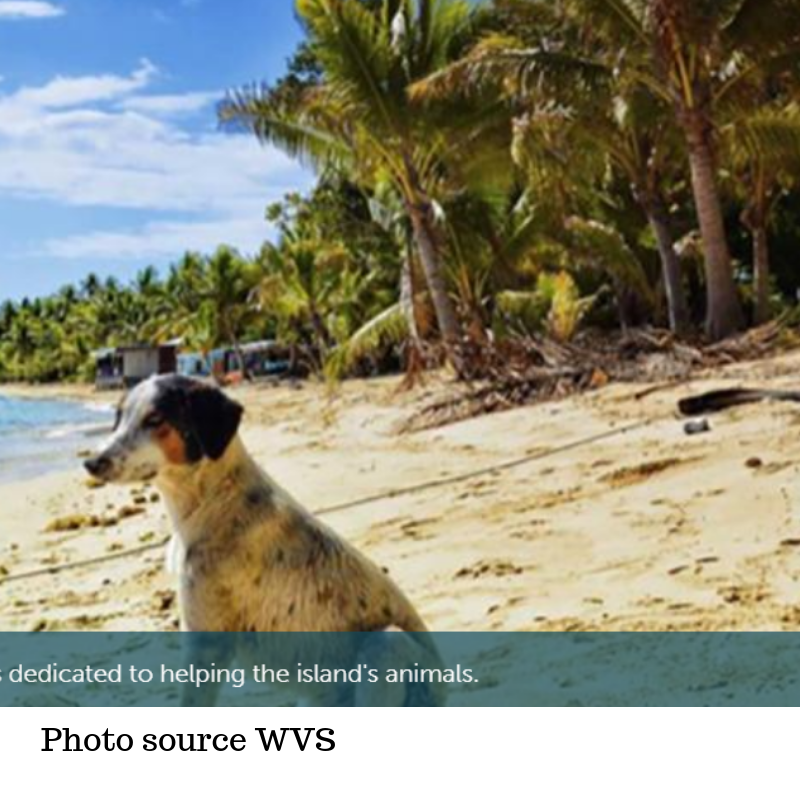
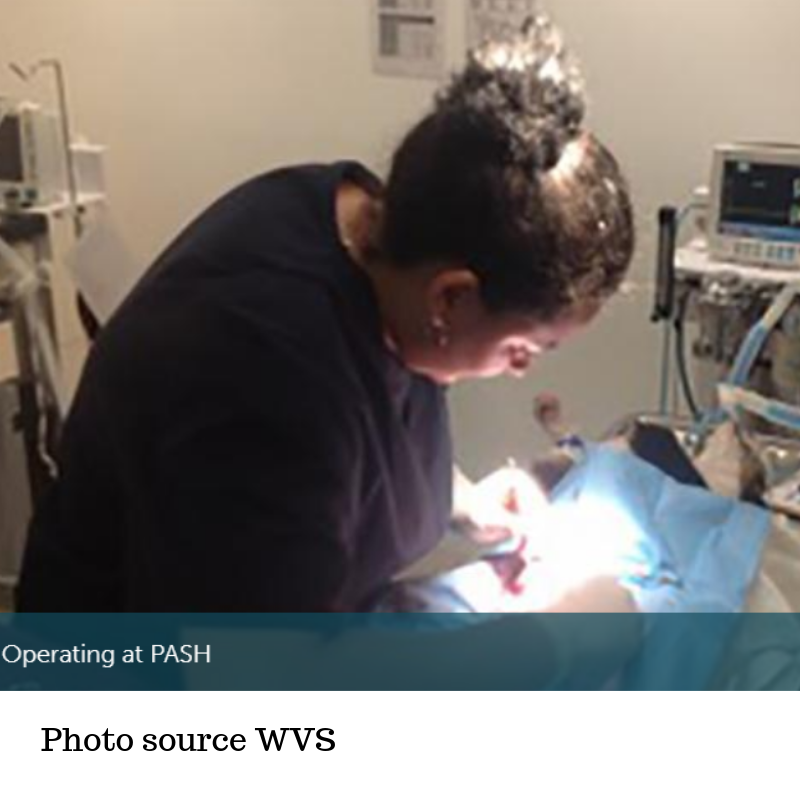
Located on the main island of Viti Levu in the Fiji Islands is the first modern, purpose-built animal hospital.  The Pacific Animal Shelter and Hospital (PASH) is a non-profit organization working to improve the lives of the animals of Fiji.  They are looking for experienced vets and nurses to volunteer for a minimum 2 week period throughout the year.

Itinerary

Surgeries are basic sterilisations, tumors (common in Fiji) and sadly there are always injuries due to RTA’s as well as various other injuries.

General checkups, vaccinations and treatments will be required

Hospital Open Hours:  Monday – Friday with 1/2 day on Saturday and closed on Sunday.

Volunteers will be met on arrival at the airport by one of the Trustees where you will be taken to the Hospital for a  briefing and discussion on local customs and the basic operation of the facility.  Any medical protocols will be reviewed with them by the resident vet.

Trip dates

There are trip dates available throughout the year. Please speak to a member of the team on +44 (0)1725 557225.

Join us…INTERESTED?

Benefits of volunteering with WVS

By volunteering with WVS you are making a huge difference to the lives of animals and communities around the world. You will also receive the following benefits:

  • Full logistics support from our UK office
  • 24/7 emergency support in partnership with Red24
  • 10% discount at Cotswold Outdoors
  • 10% discount on travel insurance from Go Walkabout

For original source and more information please click here.

For more Volunteering opportunities please check out our website.

Find us on Social Media – Facebook, Instagram, LinkedIn and Twitter.

Zoetis A.L.P.H.A. Initiative Closing Gender Gap And Extending Borders In Sub-Saharan Africa

Source: https://www.vetclick.com/

Posted
4th June, 2019 12h00

Author
Zoetis
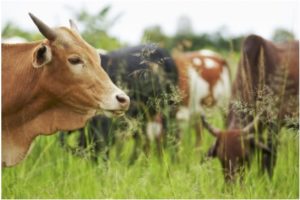
ZAVENTEM, BELGIUM – May 29, 2019 – Zoetis’ African Livestock Productivity and Health Advancement (A.L.P.H.A.) initiative, which aims to improve livestock health and positively impact farmers’ livelihoods in sub-Saharan Africa,  is increasing access to animal health education and infrastructure in its second year. Following the success of A.L.P.H.A. in Uganda, Nigeria and Ethiopia, the initiative was extended by two years, and will now run until 2022. It was also geographically expanded into Tanzania. The initiative has also placed a special emphasis on providing equal access to animal health training for women.

“Animal health is extremely important in contributing to sustainable economic development goals and business opportunities in Africa,” said Clint Lewis, EVP and Group President at Zoetis. “Farming and animal agriculture are major forms of livelihood for people in sub-Saharan Africa. By improving access to critical veterinary products and services, and building an infrastructure for quality animal healthcare, we can make a positive long-term impact.”

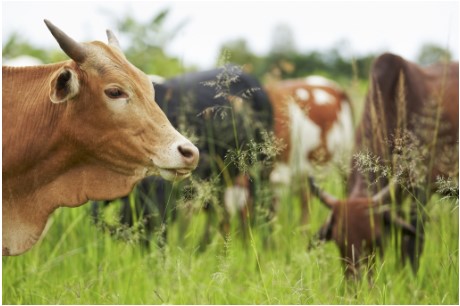
Sub-Saharan Africa is home to some of the largest livestock populations in the world – and the highest density of impoverished livestock farmers.1 Livestock is an essential asset to rural communities: improving its health, and the productivity of farmers are critical to achieving food security in areas of exceptionally high animal and human disease incidence.

Wider access to education for smallholder farmers and women

The initiative, which has been funded by a $14 million grant from the Bill and Melinda Gates Foundation, is helping farmers by providing training on animal nutrition, disease detection and other animal health issues. Because women play a key role in the region’s small farms, A.L.P.H.A. works to ensure gender balance in these trainings to transform the livestock sector and society more widely. In sub-Saharan Africa, women are often responsible for daily animal care, including feeding and cleaning, so training and educating them about animal nutrition and disease detection can improve farm productivity.

“The role of women is increasingly important for sustainable development in Sub-Saharan Africa. In Uganda, half of the people trained under the A.L.P.H.A. initiative in Uganda are women,” said Dr. Baluka Sylvia Angubua, President of the Ugandan Veterinary Medical Association. “This is in stark contrast to general ratios in veterinary classes in sub-Saharan Africa, where the majority are men, even though the number of women participating in livestock is on the increase.

“On small farms in the region, women are usually the ones who must ensure the daily care of animals, including feeding and cleaning. Training them on animal nutrition, diagnosing diseases and other animal health issues, improves farm productivity and livelihoods, and ultimately the wider economy.”

Over 1,000 farmers, 610 farmers’ trainers, and 300 veterinarians and feed millers received specialized training. In Uganda, over half of the training participants were female.  An estimated 97,500 smallholder farmers benefited from training thanks to a train-the-trainer approach.

Geographic extension to Tanzania

This year, the A.L.P.H.A. initiative expanded its scope to Tanzania, which is home to 11% of the African cattle population1. The majority of farmers and animal keepers in Tanzania continue to operate in a very traditional way and this is also reflected in veterinary care. Although there is a well-established veterinary network and several veterinary colleges in Tanzania, the teaching approach and level of animal care has struggled to keep pace with technological and medical developments.

Establishing laboratory networks in Uganda

In addition to training, the A.L.P.H.A. initiative helps develop the necessary physical animal health infrastructure. Successful collaboration with suitable laboratory business partners led to the set-up of sustainable diagnostics labs in A.L.P.H.A. countries. In March 2019, Zoetis announced the official opening of new diagnostic laboratories in Butalangu, Nakaseke District, and Nabitanga, Sembabule District, Uganda, in cooperation with Uganda Meat Producers Co-operative Union (UMPCU).

The laboratories offer a range of diagnostic services, including pre-movement tests, microscopy for internal blood parasites (Trypanomosiasis, East Coast Fever, Anaplasmosis, Babesiosis, Helminthiasis), screening and confirmation of Brucellosis and Bovine Tuberculosis, and using ultrasound to detect pregnancy. These labs bring together over 2,600 beef livestock farmers who are focused on producing high quality meat for local and international markets. In Nigeria, a poultry diagnostic laboratory opened in partnership with Chi Farms Ltd, one of the biggest day-old chick producers in the country. Chi Farms also acts as a distributor for Zoetis vaccines. A.L.P.H.A. provides vital support in the form of high quality training, laboratory equipment, personnel, and access to international support and knowledge.

Foundation for enhanced veterinary care through products and knowledge

Zoetis also submitted registrations for about 60  animal health products, diagnostics and vaccines in Uganda, Ethiopia, and Nigeria.   Once approved, they will offer a large range of solutions for disease prevention in poultry and livestock.

Empowerment of the veterinary industry is a critical element of A.L.P.H.A., as the value of veterinary professionals is often underestimated by farmers who have poor access to their services. Zoetis continued to facilitate publication of a quarterly veterinary newsletter supporting Nigeria and Uganda’s National Associations of Veterinarians. The publications provide a platform on which to share best practices and identify the needs of the country’s thousands of association members. In Uganda, the veterinary newsletters are unprecedented and were launched by the Minister of Agriculture. Zoetis also facilitated an educational learning platform called Learn & Grow for various stakeholder groups which includes business training courses through VetVance and a reference library for veterinarians and veterinary students, called Vetlexicon Bovis.  Additionally, the company’s veterinary experts held several technical trainings for local veterinary service providers and distributors to help continued professional development.

“We have seen first-hand the dire animal health situation in sub-Saharan Africa and have been working on all possible fronts to quickly establish the framework for success of the A.L.P.H.A. initiative,” said Dr. Gabriel Varga, Regional Director Africa at Zoetis and lead of the A.L.P.H.A. initiative. “We have made good progress and have also learned a lot. We are applying our lessons to achieve pioneering results in our second project year.  Looking ahead, we are taking steps to ensure we can continue to build the infrastructure needed to help veterinarians and farmers to improve the health and productivity of their livestock and livelihoods.

“We strive for sustainable improvements which will make a difference for smallholder farmers in these three markets. Key in our approach is the ownership we can create with veterinarians, authorities, distributors and farmers that starts with awareness and therefore education and training,” concluded Dr. Varga.


For original source please click here.

For more industry news please check out our website.

Find us on Social Media – Facebook, Instagram, LinkedIn and Twitter.

AMRRIC – Animal Management in Rural and Remote Indigenous Communities

Source: https://www.amrric.org/

AMRRIC (Animal Management in Rural and Remote Indigenous Communities) is a not-for-profit organisation that uses a One Health approach to coordinate veterinary and education programs in rural and remote Australian Aboriginal and Torres Strait Islander communities.

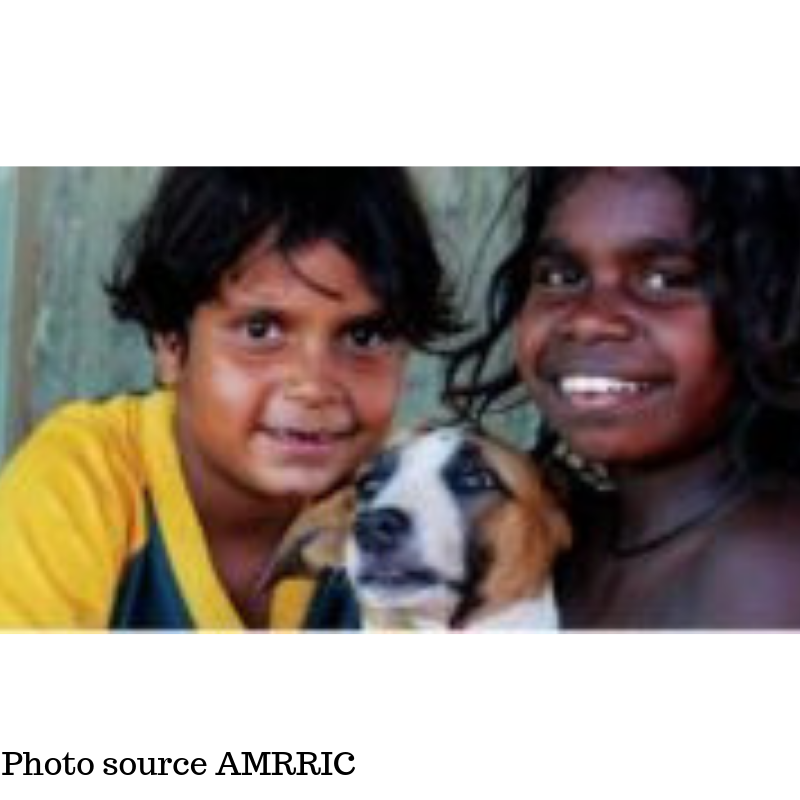
Our One Health approach recognises the inextricable links between human, animal and environmental health and wellbeing. By working with remote Indigenous communities to improve the health of their pets, we are helping to create healthier, safer and happier communities.

We coordinate culturally sensitive programs in Indigenous communities around Australia, collaborating with communities to develop programs that meet their needs.The immediate objective of our One Health approach is pet populations that are healthy and desexed. However, in the long term, the focus of the One Health model is sustainability and capacity building, so that communities can confidently and effectively manage their own companion animal populations.

Our Strengths

One Health Programs

  • Veterinary programs which include parasite treatments, desexing and the treatment of sick or injured animals by veterinary teams.
  • Health and welfare focused education programs which are implemented in many community groups, including schools, men’s groups and women’s groups.
  • Capacity building programs, such as the Animal Management Worker program which trains community members to coordinate companion animal management within their communities.

Best Practice Approach

  • Our programs are all designed in collaboration with communities, with inbuilt monitoring and evaluation
  • Community and stakeholder consultation informs current program practice and future program design
  • We employ current industry standards in our veterinary and education programs
  • Our Best Practice Guidelines have been recognised by the Australian Federal Government

Partnerships

  • We have strong relationships and engagement with Indigenous communities across Australia
  • We have well-established networks across Australia and internationally, encompassing veterinary, health, education and academic professional
  • Our relationships with all levels of government allow us to advocate for, and to assist with, improved animal management in Indigenous communities

Staff and Volunteers

  • Highly skilled staff and volunteers who are culturally aware and committed to reconciliation in their work
  • All our staff and volunteers are dedicated to improving animal health and wellbeing
  • Highly committed voluntary board with a wide range of relevant professional experience

Our Reconciliation Action Plan

Reconciliation action plan

AMRRIC’s RAP is an action plan to create meaningful relationships and sustainable opportunities for Aboriginal and Torres Strait Islander Australians.  AMRRIC recognises the importance of reconciliation to Australia’s future and works every day to implement the process of reconciliation.

Please see the AMRRIC Reconciliation Action Plan


For original source please click here.

For more industry news please check out our website.

Find us on Social Media – Facebook, Instagram, LinkedIn and Twitter.
UGANDA SPCA – Volunteering

Source: https://wvs.org.uk/

About the USPCA

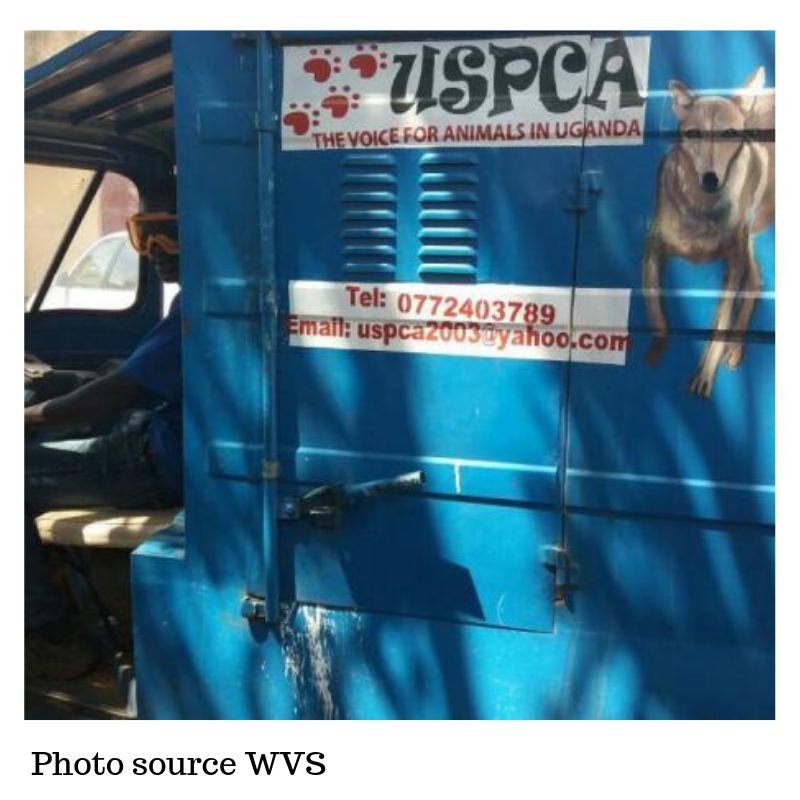
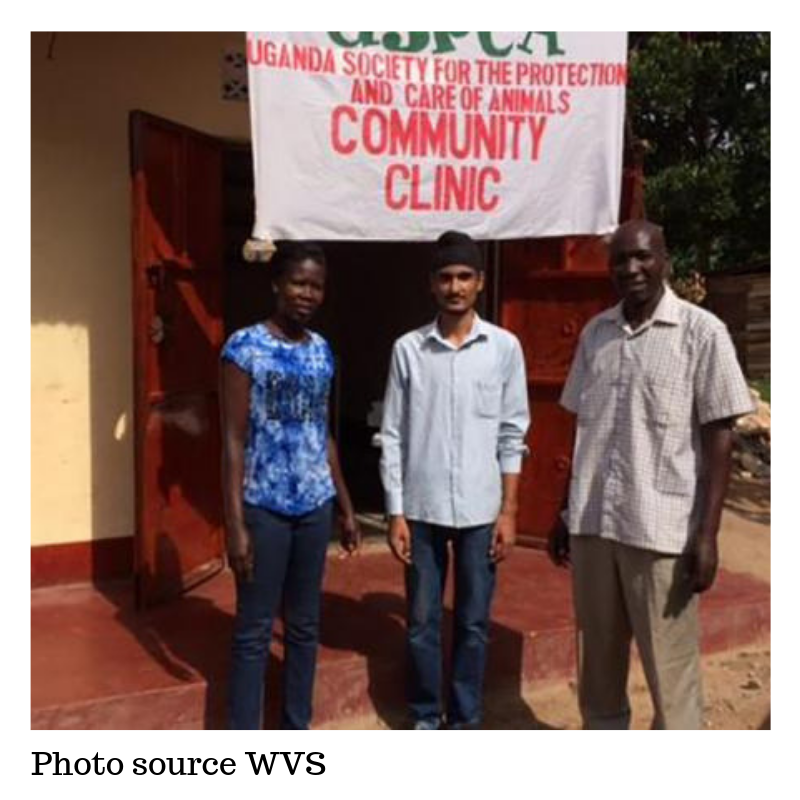
The Uganda Society for the Protection and Care of Animals (USPCA) is a non-governmental organization established in 1998 to respond to the immediate needs of abandoned, stray and sick cats and dogs whilst simultaneously tackling the root causes of the large population of strays. We work with communities and schools to support a healthier pet population. The USPCA runs Uganda’s only animal shelter, The Haven, which receives animals from across the country. The animals are rehabilitated before being rehomed.

Responsibilities & Duties

The Veterinarian Coach teaches and mentors the Veterinarian to be able to perform all basic duties, such as:

  • Examining animals to diagnose their health problems
  • Treating and dressing wounds
  • Performing surgery on animals (most commonly- spays/ neuters, amputations, dental etc.)
  • Giving vaccinations
  • Giving a high level of customer service to owners of private patients
  • Advising animal owners about general care, medical conditions, and treatments
  • Prescribing medication
  • Euthanizing animals (the USPCA only euthanizes animals when it is deemed to be in their best interests-i.e. following serious road traffic accidents or when an animal exhibits extreme violent behaviours)
  • Prioritizing cases to ensure that all animals receive time sensitive care
  • Keeping accurate records

The Veterinarian Coach teaches and mentors the Clinic Assistant to be able to perform all basic duties, such as:

  • Preparing animals for surgery
  • Assisting during surgery
  • Inducing sedation and monitoring patients under general anaesthesia during and after surgery
  • Maintaining a clean and sterile environment
  • Preparing forms and keeping records
  • Administering treatments following the instructions of the veterinarian
  • Identifying shelter animals requiring veterinary attention
  • Initiating emergency procedures (i.e. first aid for animals after fights)
  • Performing health parameter checks before admission and during the course of treatment
  • Complete ear cleanings and nail trims

It is also hoped that the Veterinarian Coach will review all processes and procedures currently in place, working with the new Veterinarian and Clinic Assistant to update these and create new processes where needed.

Qualifications & Skills

To be successful in this role you will need to be a qualified Veterinarian with at least three years post qualifying experience. In addition, you will have:

  • The ability to coach and mentor others (previous experience preferred but not necessary)
  • Good interpersonal skills, ability to demonstrate both diplomacy and tact as well as assertiveness and strong direction when needed
  • Good communication skills in both written and oral English
  • High levels of patience, determination and tenacity
  • The ability to problem solve and work in a low resource environment with limited access to equipment, medication and supplies

Special Circumstances of the Role

  • The USPCA can provide accommodation for the volunteer Veterinarian Coach. The volunteer will have a private room in a two bedroomed apartment belonging to a USPCA supporter. The apartment is of a very high standard and has air conditioning and back up generator.
  • The volunteer will need to pay for all other costs including flights and living expenses. Unfortunately, the USPCA has extremely limited funding and is unable to cover these costs.
  • The clinic operates six days a week, however we would expect the volunteer to work five days a week.

What to pack

Volunteers should take practical / comfortable clothes to work in e.g (scrubs). If you would like to purchase a WVS scrub top please contact the office or visit our online shop.

  • Practical / comfortable clothes to work in (eg. scrubs)
  • Wet weather gear and warm clothing for the evenings
  • Towel
  • Sunscreen
  • Bug spray
  • Ear plugs and eye mask
  • Headlamp
  • Toiletries
  • Prescriptions & over-the-counter medication (eg. Imodium, Paracetemol etc)

The project may be extremely short on certain supplies and would likely be very grateful for donations. Please get in touch with us to find out if there is anything in particular that would be helpful to bring with you. If you have any spare room in your bag on the outbound flight, it would be highly appreciated if you are able to bring some spare supplies to use during your trip. This is at your discretion and entirely optional.

Travel Insurance

It is essential that you obtain comprehensive travel insurance for this project which also covers you for veterinary work. We recommend Go Walkabout who offer tailor made travel insurance policies for WVS volunteers. Please note that fully paid members of WVS also receive a 10% discount on Go Walkabout policies.

Health & Vaccinations

This information should be used as a guide only. For up to date information on immunisations please consult your doctor. You will need to allow plenty of time before travelling for your immunisations to be effective. DO NOT LEAVE THIS UNTIL THE LAST MINUTE. As you will be working with animals the Rabies and Tetanus vaccines are essential. We have provided links below to websites with useful information on immunisations and travel advice which we highly recommend that you visit.

Visas

​UK passport holders are required to obtain a visa before travelling. Please visit the Foreign Commonwealth Office website for further details: www.fco.gov.uk. All WVS volunteers are required to organise their own visas.

Trip dates

There are trip dates available throughout the year. Please speak to a member of the team on +44 (0)1725 557225.

Join us…INTERESTED?

Benefits of volunteering with WVS

By volunteering with WVS you are making a huge difference to the lives of animals and communities around the world. You will also receive the following benefits:

  • Full logistics support from our UK office
  • Annual Membership includes WVS Trip Travel Insurance


For original source please click here.

For more Volunteering opportunities please check out our website.

Find us on Social Media – Facebook, Instagram, LinkedIn and Twitter.