
Dear Veterinarians and Amazing Support-crews,
As you well know we are in unprecedented times in social, economic and health terms. We are all swamped with (and I don’t even want to mention it as I feel saturated from every angle with it) COVID-19 news.
However, there is a lot of information being pumped out about how to implement safe practices and complying business as veterinarians in a scenario where Government has decreed only essential businesses may remain open and everyone else needs to uphold self-isolation – so I thought I would sort through some of it for you and provide some reputable links.
For those who don’t know me, I am a veterinarian and work as a veterinary career and business coach, a locum, a mum (homeschooling – WHAT?!!) and I am a small business owner myself who contracts and employs workers so I have been working to get across the different resources and supports in place for all of us. I will provide more on the supports available later – but first lets look at the puzzle presented to veterinary business this week – how to maintain veterinary practice and business in the current environment.
Please note that this isn’t formal advice – and you will need to seek and use your professional advisors such as your veterinary registration body, the Australian Veterinary Association HR Team, relevant legislation, your accountant and legal advisors to formalise the advice that is correct for your personal situation. But I hope this little collation is a useful collection of information.
· On 27 March 2020, the Australian Veterinary Association advised that in Australia veterinarians were deemed an essential service by the government. The only restrictions were for vets to practice social distancing and hygiene practices, also vets can apply for an exemption to cross State and Territory borders for essential work purposes. See media release at: https://www.ava.com.au/coronavirus/vets-an-essential-service-during-the-covid-19-crisis/
What does being an ‘Essential Service’ subject to social distancing and hygiene practices mean for veterinary businesses?
How this will be applied to registered veterinarians and approved veterinary premises is ultimately at the discretion of the relevant legislating bodies – each State and Territory Veterinary Surgeons Board. However, it is reliant on the veterinarian’s professional judgement to uphold the governments requirement that only essential services are provided, and it is upon us to uphold the integrity of our profession to interpret this status and ability to work with due respect for the gravity of the situation at hand. Thus, in my reading of it, we should not be looking to continue business in any way usual and status as an essential service will mean some versions of:
1. Veterinary premises can continue to offer some services in an altered manner.
2. Many traditional consultations where the owner and the vet are in proximity co-handling the animal cannot occur.
3. That social distancing measures must be implemented to protect staff and clients (under WH&S legislation)
4. That creating a team’s approach to staffing – where a vet, nurse and receptionist works together as a team is a useful way to limit unnecessary person to person contact when we then minimise this teams interaction with other teams.
5. That a minimum 1.5m distance between each person (approximately 4m2 floorspace per person indoors) must be upheld in the workplace and in the waiting room, so the practice must adopt new processes for handling clients, animals, payments and people waiting in the practice waiting rooms.
6. That routine surgeries and procedures should be deferred and only services essential for the current health and welfare of pets be undertaken.
There are several inventive protocols that a veterinary business can implement to uphold these requirements and stay functional. I have heard of client-free consultations where owners are called before during and after the consult but remain outside the consult room while the animal is examined, some clinics have restricted clients to one person presenting with the animal per consult and of course there is now the emerging possibility of veterinary telemedicine – as below. The AVA has provided some useful guides on this topic which can be found here: https://www.ava.com.au/coronavirus/covid-19-risk-management-for-workplaces/
What about telemedicine?
Alongside the interpretation of ‘veterinarians as an essential services’ the use of telemedicine will currently be being discussed by the veterinary surgeons boards in Australia, each jurisdiction will develop its own specific rules – the AVA posted their guiding policy here. At a high level the AVA recommends that:
· Veterinarians conducting veterinarian-to-client telemedicine consultations must ensure that they are registered to practise in the state or territory in which the patient is located, or that their current registration is recognised in that jurisdiction. They must adhere to the relevant legislation in both locations, if the animal resides in a different jurisdiction.
· A bona fide veterinarian–client–patient relationship must be established, except when acting only in a tele-triage (emergency) capacity, or in an emergency health situation where human face to face contact is not advisable.
Each Veterinary Surgeons Board will have the ultimate decision on the conditions of telemedicine in their area, as relevant and covered by their legislation and the policy they implement. It is imperative that you check and abide by the approach to telemedicine provided by the VSB you are registered with. Links to your Veterinary Surgeons Board policies on telemedicine can be found here on the Australian Veterinary Boards Council (AVBC) site (the AVBC oversee the Australian veterinary boards).
Notably in the UK the Royal College of Veterinary Services (the singular UK registration body) has provided temporary permission (of 3 weeks) for veterinarians in the current scenario to undertake telemedicine consults and dispensing to cover the immediate need, they will be reviewing this and providing an update in the next week.
Not all States and Territories in Australia have published their approach to telemedicine – but in NSW the guiding policy states that:
1. Technology-based patient consultations must only be performed by a person registered as a veterinarian in both the State or Territory in which the animal patient is located and, if different, in the State or Territory from which the veterinarian provides this service
2. Before agreeing to perform a technology-based patient consultation the veterinarian must be satisfied that this form of consultation is appropriate in the circumstances and does not in any way compromise the safety or welfare of the patient
3. When providing technology-based patient consultations for animals located in NSW and when providing technology-based patient consultations from within NSW for animals located outside NSW veterinarians must abide by the Regulation (sch 2) Veterinary Practitioners Code of Professional Conduct (Code)
4. Veterinarians providing technology-based patient consultations must ensure they understand the legislation, policies and guidelines of both the jurisdiction in which they are based and the jurisdiction in which the animal patient is located
5. Veterinarians based in NSW may provide technology-based patient consultations from either licensed premises (hospitals) or unlicensed premises
However PLEASE NOTE this only applies if you are registered with the NSW Veterinary Practitioners Board, and you must check the conditions and limitations of your own registering body. I will endeavour to provide further information as it becomes available.
Obviously, veterinarians are skilled in managing infectious agents, however your junior staff and clientele might not be, and as the veterinarian and/or business owner it is your responsibility to provide leadership and sound approaches to minimising risk. Appropriate ways to protect your team could include:
1. Pre-screening phone calls for all people intending to attend a veterinary practice.
o Ask them about their health, and
o Any known history of being put in contact with a potential COVID19 risk, or
o If they are currently in isolation for COVID-19 – and if so advise them they should not attend the veterinary practice (nor be leaving the home they are self-isolating in), and
o Assist them to arrange suitable care for their animals.
2. Lead by example: Through taking personal responsibility in implementing the social distancing measures and Personal Protective Equipment (PPE) seriously. From this position you can strongly encourage others to comply as well – and by not partaking in any veterinary related scenario that are clearly in breach of the guidelines vets are to be operating in, sadly even a couple of days ago I had heard of business as usual consulting occurring.
3. Prudent usage of Personal Protective Equipment (PPE) We need you to be protected, but we must understand that supplies of PPE are limited in Australia currently and we should use them thoughtfully and be respectful that the call might come for equipment and PPE to be diverted to the medical staff who are working in close contact with COVID-19 infected patients. For more information please go to: https://www.ava.com.au/coronavirus/reuse-of-surgical-or-p2n95-masks/
4. Providing practice protocols for your staff around how to run altered consultations and uphold social distancing. Then seeking feedback from your team as to how the system is working and if they can see any easy ‘tweaks’ to the system that will result in a better and/or safer outcome for all involved – and updating the protocol and the advice to staff appropriately.
5. Providing calm leadership for your team in a time of social upheaval your team will look to the business owners and veterinarians for leadership in navigating such tricky times. As leaders we can give regular clear, calm updates on what you know and what you are doing to manage the business and its valued staff through this unknown situation. Highlighting that you value your team and are taking action for them will help in itself.
Stressed people make mistakes, so it is upon the leadership of a business to set a high standard and a calm tone with lots of steady communication to successfully steer their team safely through this time. Notably you don’t have to have all the answers in every instance – but communicating honestly and earnestly that you are working on it for them and indeed are finding out answers will help mitigate the level of stress they are feeling also.
I hope this has been of help – if you have comments or if this has raised questions for you – please send them through to me at: myveterinarycareer@gmail.com
~Love Your Veterinary Career ~
from Dr Emma Davis BVSc, Veterinary Career and Business Coach
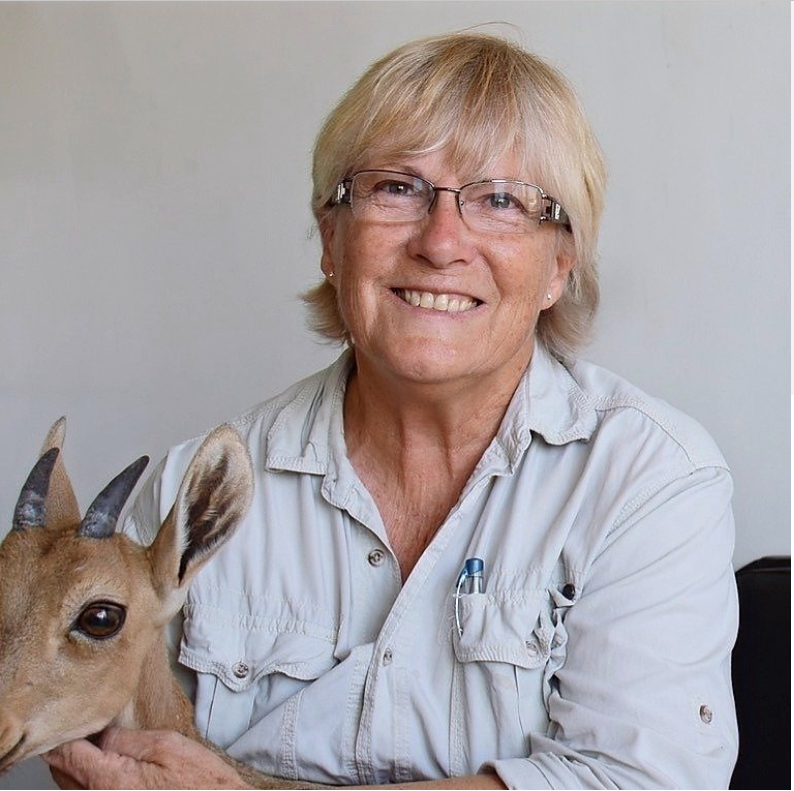
It is with much sadness that Guyan and I, (Emma) advise you of the passing of our beloved colleague and co-founder of Veterinarycareers.com.au – the amazing Dr Michele Cotton.
Michele was and continues to be an inspiration to the veterinary community and to all that knew her. Michele worked tirelessly on the things she was passionate about – wildlife conservation, parasitology, veterinary medicine and mentoring and supporting her colleagues among many other things.
Tragically Michele was diagnosed with Motor Neurone Disease in August 2019 and was ravaged by this horrid disease and after a terribly hard and rapid decline she passed peacefully with family on 13 January 2020.
No doubt, those who knew her – know of the light Michele brought with her into every conversation and interaction. For those who were not blessed with the chance to meet Michele – we will later republish her amazing blog posts and more tributes to her colourful, huge, vivacious and highly contributing life.
For those who knew Michele – the funeral is on Tuesday 28 January in Vaucluse. You will need to RSVP using this link. [https://www.picaluna.com/…/celebration-of-life-for-michele-…]
Rhinos and the threats they face were very dear to Michele’s heart and she was a great supporter of SAVE the African Rhino Foundation. For those who would love to honour her memory the family have asked that donations in lieu of flowers be made to SAVE the African Rhino Foundation
(http://savefoundation.org.au/donate-now/)

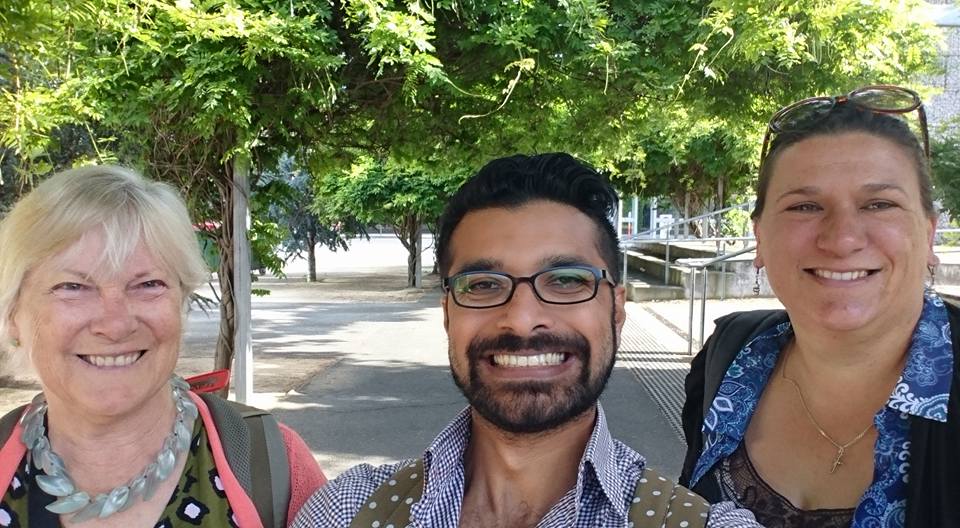
Photo: Michele Cotton, Guyan Weerasinghe and Emma Davis, @DogsPeople2016 Conference, The University of Melbourne, 3 December 2016

What does work as a veterinarian in PetSure look like? I (Emma Davis) have heard some great things about PetSure as a company so thought I would do some further investigating for you!
PetSure employs veterinarians in Australia who use their technical and leadership skills across several roles.
PetSure is Australia’s largest pet insurance administrator for some of Australia’s best-known pet insurance providers. PetSure is a leader in the veterinary industry and from what we know about our profession, innovation and the future of work in Australia, I think will be a integral part of the profession’s future.
An entry point to working at PetSure is a position as a ‘Veterinary Claims Officer’, there are 11 in Australia. Veterinary Claims Officers bring their clinical consulting skills, as well as veterinary knowledge and experience, into a corporate setting. A key aspect of the role is liaising with internal and external stakeholders, particularly pet parents and veterinary professionals, to investigate claims and disputes. In this role, veterinarians develop their skills as subject matter experts and become members of cutting-edge teams that work on finding new ways to resolve front line complaints and issues for the pet-loving and pet health community.
For veterinarians looking to diversify their careers – this role of hybrid technical, case-management and corporate skills will offer plenty of opportunity.

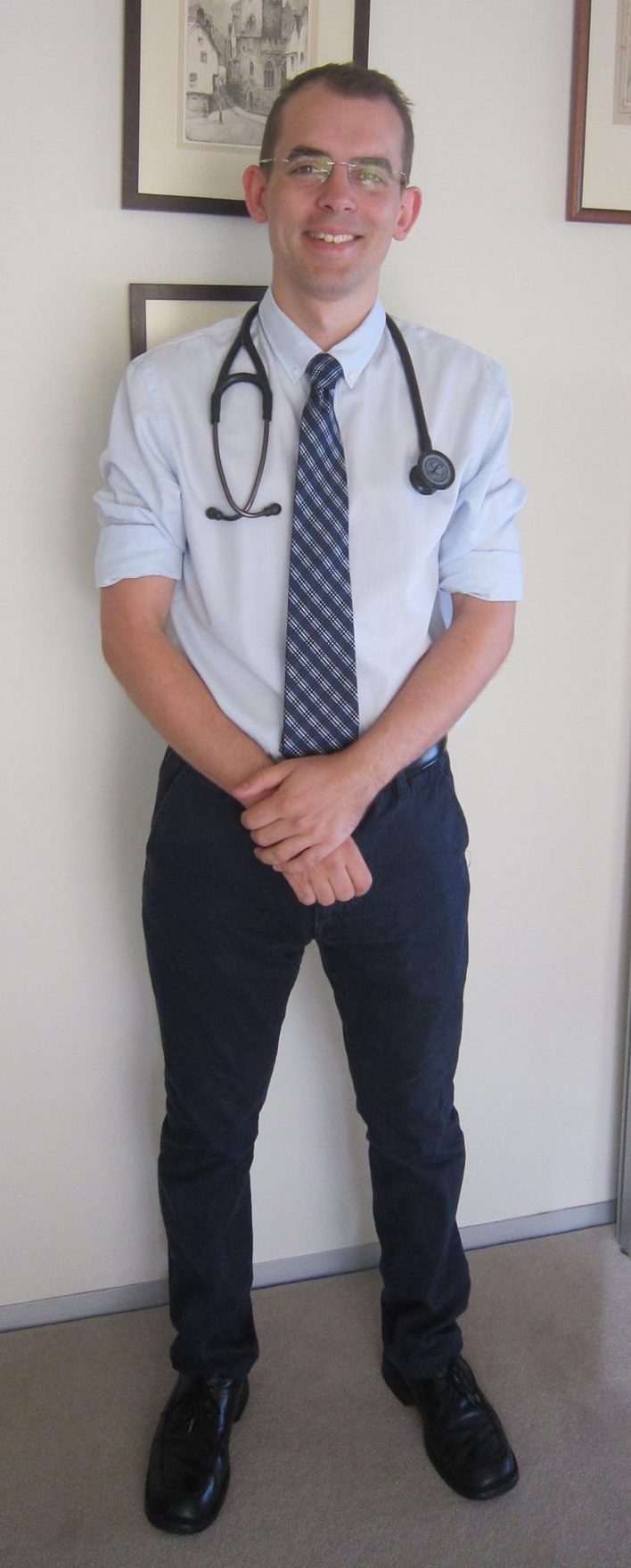
We talked to Dr Oliver Conradi, Customer Relations Manager at PetSure. Oliver is a veterinarian who joined PetSure around 4 years ago. Now as Customer Relations Manager, Oliver manages a team of 4 and says how quickly he learned that skills acquired in clinical practice can be transferred and applied in a corporate setting and overall has been pleasantly surprised by the professional growth opportunities provided by PetSure. Oliver is currently studying for his Masters of Business Administration through the Australian Institute of Business.
As a Manager, Oliver described how he gets to stretch his wings by providing leadership of a different type. Oliver has created a team culture of being both customer-focused and innovative and describes his team as a supportive and collaborative group of vets and vet nurses.
 What is it like to work in a corporate office?
For veterinarians who are contemplating a move to corporate – I am often asked the question of what it is like to work in a corporate office? At PetSure most people are based at the Sydney office in Chatswood, but it is a company open to work flexibility with a couple of employees who work remotely from Melbourne, Queensland and Byron Bay as well as working from home options. A usual day runs 9am to 5pm – but shifts are flexible starting as early as 7.30 am and can finish at 8 pm.
When I visited the Sydney office of PetSure – the things I noticed were that it was really contemporary and has an amazing vibe of relaxed efficiency. To be honest it felt a little more like a venue than an office – I note that they advertise having a pet-friendly workplace (I want to know more about this) and have things like free-lunch-Friday.
Also the company runs great value-adding sessions open to the profession with a speaker etc. around once a month too. Which must be nice to have that contact with the profession to maintain and make new contacts with colleagues and have a useful night (some CE nights too) and a social outlet.
It’s a busy workplace with approximately 160 staff in total located in the Sydney office. The types of activities include: 
If solving clinical quizzes isn’t enough for you – PetSure’s culture is one of open feedback and everyone is encouraged to bring their ideas to the table. PetSure is a pretty tight ship of efficiency – ideas that work for the team or result in improving existing frameworks, products and processes are encouraged and welcomed. During his tenure, Oliver notes a number of innovations to PetSure’s products and systems which have resulted in significant benefits for veterinarians, pet parents and their pets. Examples include implementation of the E-Claims and GapOnly digital claims platforms which facilitate rapid claim submission systems for veterinarians and pet parents.
If you are keen to be part of this team then email them at careers@petsure.com.au and also register on VeterinaryCareers.com.au and set up an alert for when positions which are advertised. The PetSure team are always happy to know you are interested and welcome team-minded people who want to love their careers alongside a group of animal loving professionals!
Meanwhile check out the list of skills they are seeking and use this to hone some of your skills (or pick up some more skills) to prepare for the competition when a sought-after role becomes available.
The skills PetSure want you to bring include:
Also watch out for our interview of Oliver on VeterinaryCareers.com.au in the coming weeks!
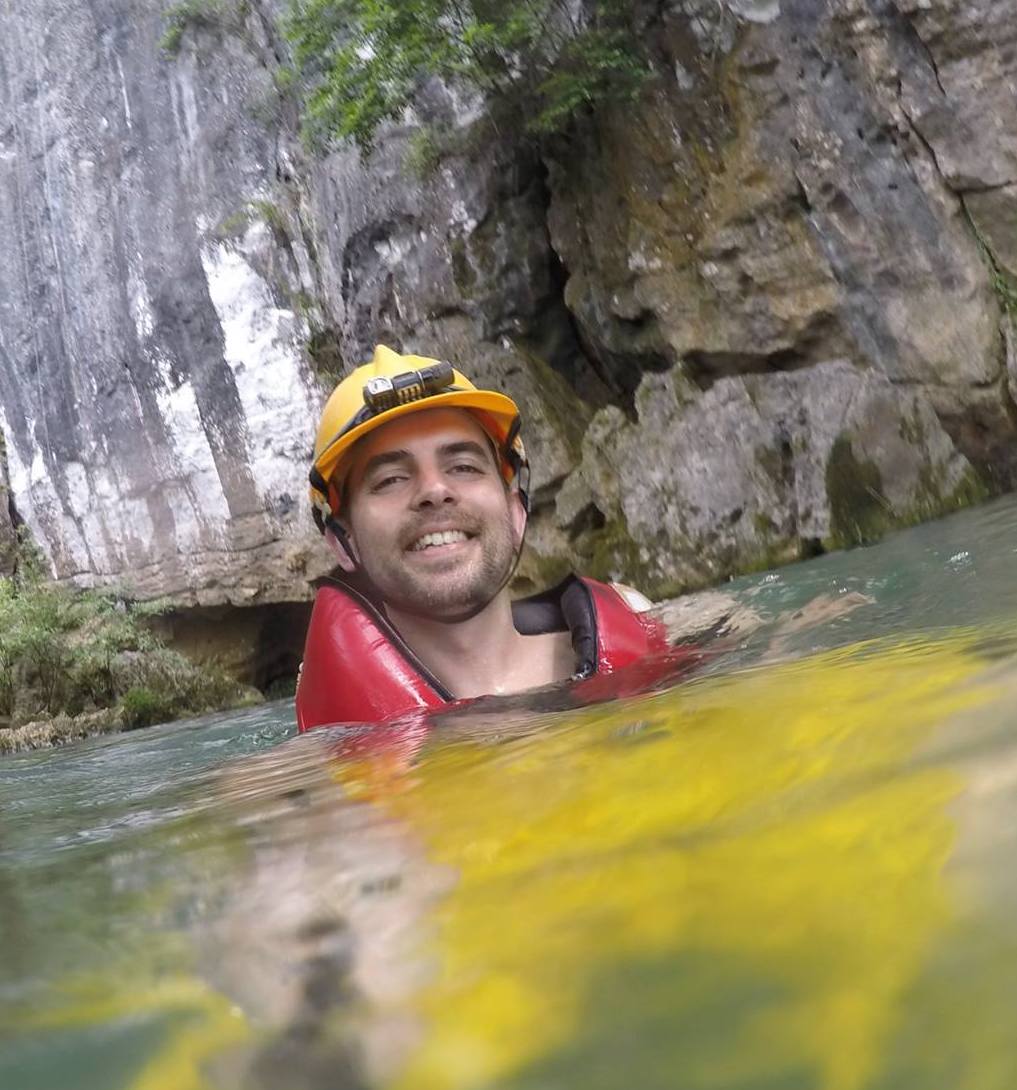
It is said that the one who has experienced the mountains as well as the valleys of life, is the one who will skilfully and empathically guide others with loving authority.
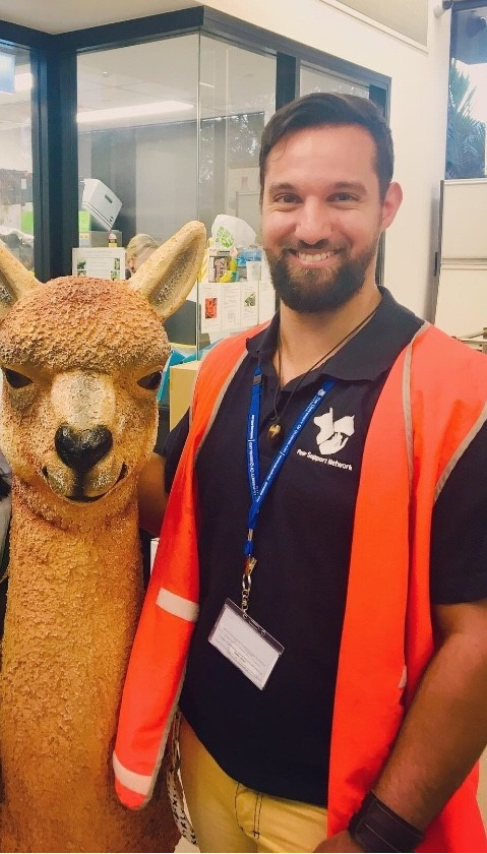
John supervising as a Peer Support Mentor for the Veterinary community at the University of Queensland, Gatton Campus. Helping others find their answers by holding space for them.
John Bonnici is a veterinary student at the University of Queensland, he is scheduled to graduate in 2020, but this almost wasn’t the case. Part way through his vet school journey John noticed that something wasn’t quite right; physically he was fit and healthy, but on the inside a battle was being waged for his emotional health. He had always been a fighter, a visionary; but this battle was not only consuming his entrepreneurial heart but also his dream of becoming a veterinarian.
John was suffering from burnout. An illness that can take down even the strongest of warriors. As a definition ‘burnout’ is classed as mental, physical or emotional exhaustion – a constant feeling of being overwhelmed or emotionally drained. Thankfully, John recognised the signs and through bravery laced with humility he chose to take a year off from his degree.
“It was a year of self-discovery, of, as silly as it may sound, discovering how I could best love and look after myself.” John told us as he reflected on the life changing gap year which enabled him to recharge his emotional batteries and renew his passion for both people and animals.
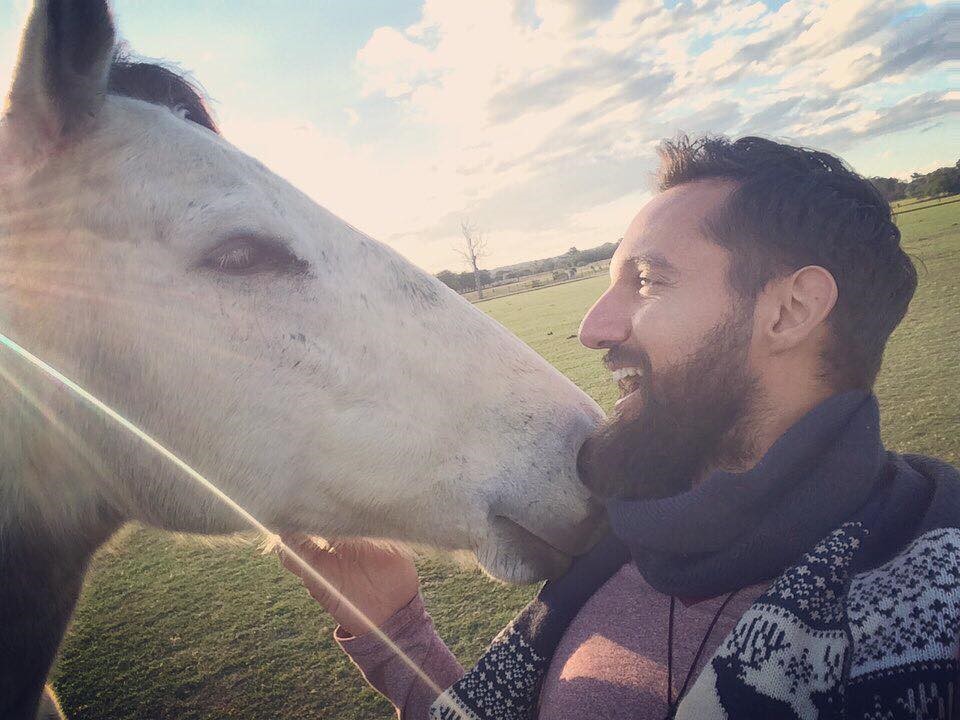
John with Silvery Moon. Silvery Moon is a rescued ex racehorse who normally doesn’t like people. With his gentle nature, he kept following John around refused to leave his side.
John is now advocate for self-care within the veterinary world and beyond. He volunteers his time as a university mentor within the University of Queensland Mentoring Network. He is also the co-founder of Yogitation: A program in which through yoga, meditation, connectedness and mindfulness encapsulates selfcare at its core. The program is quickly gaining popularity amongst both students and staff of the university, and will not only be an imprinted legacy that John will leave behind after graduation, but a projected glimpse of a veterinary business model which holds holistic self-care and animal health as its mandate.
If you would like any further information in relation to Yogitation or the UQ Mentoring Network please feel free to contact John directly – jfbonnici.1988@gmail.com

John at the 2019 Toowoomba Flower Festival. In order to be in service to others, you need to be in service to yourself first.
To see Dr Emma’s interview with our self-care guru John Bonnici please see the link below:
Introduction Author: Tanya Middleton, Veterinary Careers Team