Recognising superheroes – New RVC awards for cat and dog blood donors

Photo Source RVC

Recognising superheroes – New RVC awards for cat and dog blood donors

They say cats have nine lives, but the real superheroes are the animals who  provide blood donations.

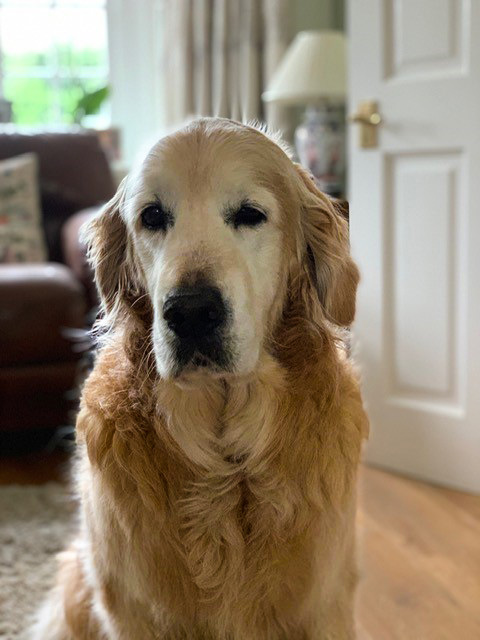
Photo Source RVC – “Bertie”, a nine-year old golden retriever – “Canine Donor of the Year”

Cats and dogs attending the Royal Veterinary College’s (RVC) Blood Donor Programme have helped hundreds of animals involved in serious accidents, surgeries or suffering from serious diseases.

The RVC is celebrating these unsung heroes by awarding ‘Blood Donor of the Year’ awards to two of its regular donors, Bertie and Atticus. These awards recognise the amazing contribution Bertie and Atticus have made in helping  to save countless lives and will be presented to them and their owners on 14th June –  World Blood Donor Day.

Bertie, a nine-year-old golden retriever, has been a vital part of the RVC’s Blood Donor Programme for the last eight years. He has a similar blood type to 60% of dogs in the UK (type DEA 1 Positive), and has kindly donated over 22 units to the RVC’s small animal referral hospital. Blood provided by Bertie and other canine donors has been used for over 600 blood transfusions  each year at the RVC. Bertie is retiring this year and to note his contribution he has been awarded the ‘Canine Donor of the Year’ for his important efforts.

Bertie’s owner, Chris reveals: “I’ve always been a blood donor myself, so I really wanted my dog to help others like I do. I was around when Bertie was born, and he’s always been very calm. I think that helps make him such a good donor.”

Atticus, a four-year- old cat, has also played an important role in the RVC’s Blood Donor Programme since joining in 2016. The nine units of blood supplied by Atticus is blood type A, which is similar to 75% of cats in the UK. The RVC administers over 130 feline blood transfusions per year. In recognition, Atticus will be supplied with a ‘Feline Donor of the Year’ award.

Atticus’ owner, Olivia commented: “My first involvement with animal blood donations was through my work with Peaceful Pets – a charity for retired greyhounds. I got to know the RVC hospital team and then I brought Atticus along to donate after they explained how important feline blood donations are to their work. He becomes extra affectionate after each donation – I love it!”
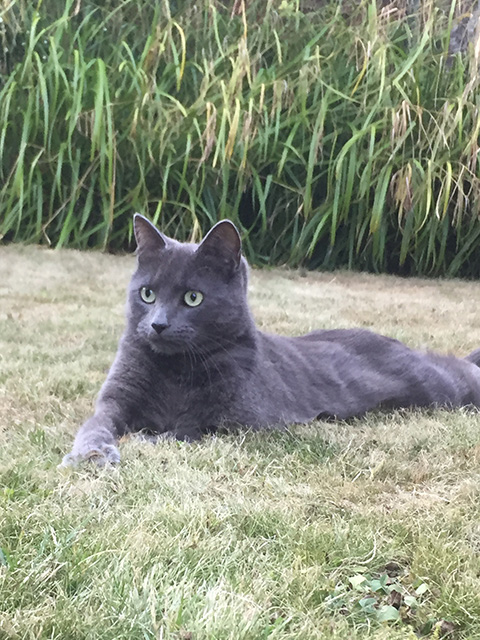
Photo Source RVC – “Atticus”, a four-year old cat – “Feline Donor of the Year”

On this global awareness day, the RVC, which   currently runs Europe’s busiest animal   hospital blood donor programme, also thanks   the hundreds of other animals who have   provided blood that has saved  lives. They also   encourage more cat and dog donors to come   forward.

The RVC created its programme in 2005 in   response to high levels of demand for dog and   cat blood. This demand, which continually   increases year on year, is particularly important given the variety and complexities of the treatments offered at the RVC. For example,  treatments range from open-heart surgery to emergency and critical care, and from spinal surgery to cancer treatment.

Dominic Barfield, Senior Lecturer in Veterinary Emergency and Critical Care at the RVC, said: “Blood saves lives, literally. We are indebted to the kindness and generosity of those wonder dogs and super cats and the fabulous people that look after them, as their gift of a blood donation means that other pets can live. We cannot thank them enough and our RVC blood donor team who make it all possible.”

The RVC would also like to thank the generosity of its supporters, who contribute towards the operational costs of the Blood Donor Programme. For example, Burns Pet Food, whose Founder, John Burns, said: “As a Veterinary Surgeon and advocate of animal welfare, it gives me a great deal of satisfaction to be able to support a cause as worthy as the RVC blood transfusion service. I hope our donation will help many animals in need and this contribution will be the start of a great relationship.”


Notes to Editors

For more information please contact:

About the RVC

  • The Royal Veterinary College (RVC) is the UK’s largest and longest established independent veterinary school and is a constituent College of the University of London.
  • The RVC is ranked as the world’s number one veterinary school in the QS World University Rankings 2019.
  • The College offers undergraduate, postgraduate and CPD programmes in veterinary medicine, veterinary nursing and biological sciences.
  • The RVC was the first veterinary school in the world to hold full accreditation from AVMA, EAEVE, RCVS and AVBC, and currently holds full accreditation from RCVS, AVBC and AVMA and conditional from EAEVE.
  • In 2017, the RVC received a Gold award from the Teaching Excellence Framework (TEF) – the highest rating a university can receive.
  • A research-led institution, the RVC maintained its position as the top veterinary institution in the Research Excellence Framework (2014), with 79% of its submission being rated as world-class or internationally excellent.
  • The College also provides animal owners and the veterinary profession with access to expert veterinary care and advice through its teaching hospitals: the Beaumont Sainsbury Animal Hospital, in central London, and the Queen Mother Hospital for Animals (Europe’s largest small animal referral centre) and Equine Referral Hospital, both located at the Hertfordshire campus.

For more information and original source please click here.

For more industry news please check out our website.

Find us on Social Media – Facebook, Instagram, LinkedIn and Twitter.

The Commonwealth Chief Veterinary Officer’s Scholarship

Photo Source The University of Sydney

The Commonwealth Chief Veterinary Officer’s Scholarship

A postgraduate coursework scholarship
This scholarship encourages veterinarians to undertake postgraduate training in veterinary public health.

Highlights

Value Eligibility Open date Close date
$10,000
  • Australian citizen or permanent resident
  • Registered to practice veterinary science
  • Plan to study the veterinary public health management program
September 2019 October 2019

How to apply

Apply here.

For more information, please refer to the terms and conditions.

Benefits

This scholarship is valued at up to $10,000 (for two years).

Who’s eligible

You must:

  • be an Australian citizen or permanent resident
  • be registered to practice veterinary science in Australia
  • plan to study the veterinary public health management program
  • not be in receipt of any other scholarships or financial support to do the program

Background

This scholarship was established in 2003 by a donation to the Faculty of Veterinary Science by the Commonwealth Department of Agriculture, Fisheries and Forestry Australia. The purpose of the donation was to encourage veterinarians who demonstrate a commitment to working for the benefit of Australian livestock producers at the national level to undertake postgraduate training in veterinary public health.

Established in 2003 by a donation to the Faculty of Veterinary Science by the Commonwealth Department of Agriculture, Fisheries and Forestry Australia. The purpose of the donation was to encourage veterinarians who demonstrate a commitment to working for the benefit of Australian livestock producers at the national level to undertake postgraduate training in veterinary public health. This will be achieved through the establishment of a scholarship to be known as The Commonwealth Chief Veterinary Officer’s Scholarship.

The scholarship shall be awarded under the following conditions:

1. The scholarship may be awarded at the postgraduate level and shall be tenable at the University of Sydney only.

2. The scholarship shall be awarded to a veterinarian registered (or eligible for registration) to practice veterinary science in Australia.

3. The scholarship shall be awarded to an Australian citizen or permanent resident.

4. The scholarship recipient shall not be in receipt of any other scholarships or financial support to do the Program, including employer-sponsored payment of course fees.

5. The scholarship shall be awarded on the basis of academic merit, based on transcripts of previous tertiary study; a written application that describes the applicant’s background, commitment to the livestock industries in Australia, or how he or she plans to further this in the future; commitment to working in a team and willingness to become part of a national/global team supporting the livestock industries; career goals; and the reports of three referees.

6. The postgraduate scholarship may only be awarded to an applicant who is admitted to the Veterinary Public Health Management Program and who enrols accordingly.

7. The value of the scholarship will cover annual unit of study fees for each year the student is enrolled in the Veterinary Public Health Management Program; to a maximum of $10,000 for each year the student is enrolled in the Program.

8. The scholarship shall be tenable for two years, subject to satisfactory progress.

9. If the annual donation by the funding body exceeds the fees for eight units of study the additional funds will be used for the benefit of the scholarship recipient.

10. The scholarship shall be awarded by the Faculty of Veterinary Science Board of Postgraduate Studies on the recommendation of a committee consisting of the Dean of the Faculty of Veterinary Science, the Chair in Farm Animal Health and Production, the Academic Program Manager for the Veterinary Public Health Management Program and the Chief Veterinary Officer of Australia, or their nominees.

For more information and original source please click here.

For more continuing education please check out our website.

Find us on Social Media – Facebook, Instagram, LinkedIn and Twitter.

Udderly unreal cows to help train vet students

Photo Source The Queensland University

Udderly unreal cows to help train vet students

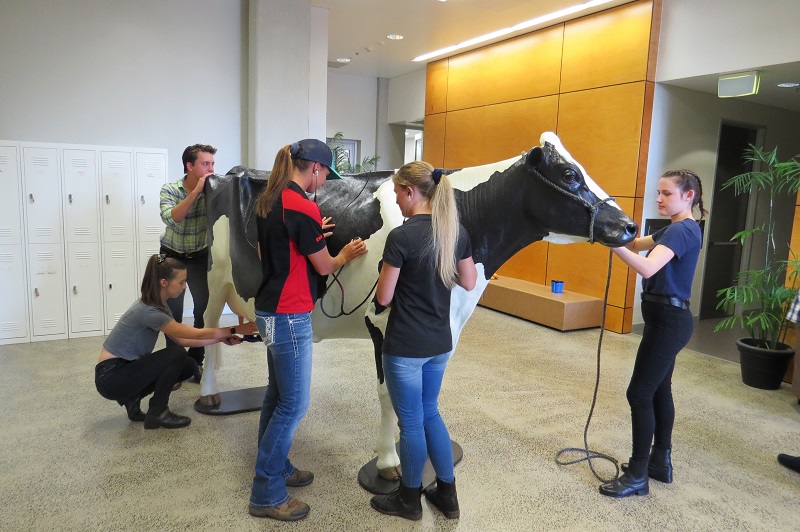
A life-size simulated cow and calf are enhancing veterinary students’ learning experience at The University of Queensland’s Gatton Campus.

UQ’s School of Veterinary Science senior lecturer Dr Gry Boe-Hansen is excited to welcome the state-of-the-art Canadian Holstein breed model cow and her calf to class.

“Born, bred and purchased from Veterinary Simulator Industries in Canada, our models will be used as teaching tools across a minimum of ten courses in the Bachelor of Veterinary Science and Bachelor of Veterinary Technology programs,” she said.

“The cow and her calf have a number of applications to help students gain essential practical skills.

“These include a complex understanding of the bovine female reproductive tract, as well as diagnosing and managing complexities during pregnancy.”

In addition to accessing the models during class, students can also use them for self-directed learning as an extension of the School’s Student Clinical Skills Hub.

Photo Source The Queensland University

“Simulators are an innovative teaching tool to enhance learning experiences, as they allow veterinary students to become proficient in diagnostic and practical skills, building confidence in technical skills, improving the learning outcomes and reducing the impact on the live animals,” Dr Boe-Hansen said.

The School launched a competition to name the new additions, with anatomy lecturer Dr John  Wright given the prestigious honour of naming the model cow and calf.

“The cow has been named Mrs O’Leary and the calf is Charlene Mooken or ‘Moo’ for short, after two history making cows from the USA,” Dr Boe-Hansen said.

“Mrs O’Leary is the famous cow of Catherine O’Leary, blamed for causing the Great Chicago Fire in 1871 after kicking over a lantern in her stable.

“While the fire did start in the O’Leary’s barn, investigators never determined the true cause of the fire, and it was later revealed that the cow story was ‘fake news’ made up by a journalist.

“I’m hoping this Mrs O’Leary will be just as famous but for the right reasons – helping our vet students thrive and learn critical new skills.”

The calf has been named after a fugitive cow that gained fame in 2002 when she leaped over a fence at an abattoir in Cincinnati and spent 11 days on the run before she was rounded up and lived out the rest of her days on a farm.

The Holstein cow and calf simulator model was purchased as part of a teaching and learning grant, awarded in 2018 by UQ’s Faculty of Science.

Image above: Fourth year Bachelor of Veterinary Science (Honours) students improving their skills with cow simulator, Mrs O’Leary.

Media: Dr Gry Boe-Hansen, g.boehansen@uq.edu.au, +61 7 5460 1857; Dominic Jarvis, dominic.jarvis@uq.edu.au, +61 413 334 924.

For more information and original source please click here.

For more industry news please check out our website.

Find us on Social Media – Facebook, Instagram, LinkedIn and Twitter.

MSD Animal Health & FVE Veterinary Students Scholarship Program 2019

MSD Animal Health and FVE call for veterinary students to apply to the 2019 scholarship program

Photo Source FVE

The 2019 scholarship grants aim to enhance the academic experience of 36 veterinary students (2nd and 3rd year from EU Veterinary Faculties across Europe) taking into account their diversity and financial needs.

Applicants can send duly filled-in applications to francesco@fve.org
Deadline for submission: 30 October 2019
Please, read carefully the eligibility criteria in the call.

For more information, the Application Form and original source please click here.

For more continuing education please check out our website.

Find us on Social Media – Facebook, Instagram, LinkedIn and Twitter.

Volunteer Experience | Environmental & Wildlife China: Panda Care

Chengdu, China

This image has an empty alt attribute; its file name is global-nomadic.png

Global Nomadic

Volunteer Experience | Environmental & Wildlife

China: Panda Care

Chengdu, China

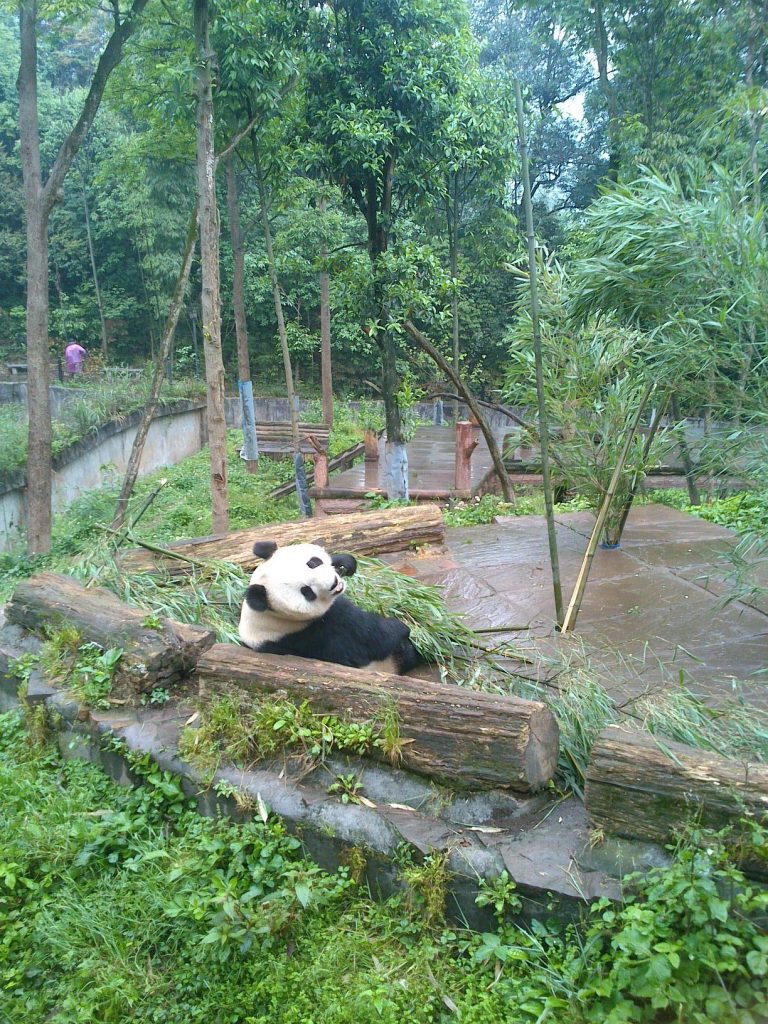
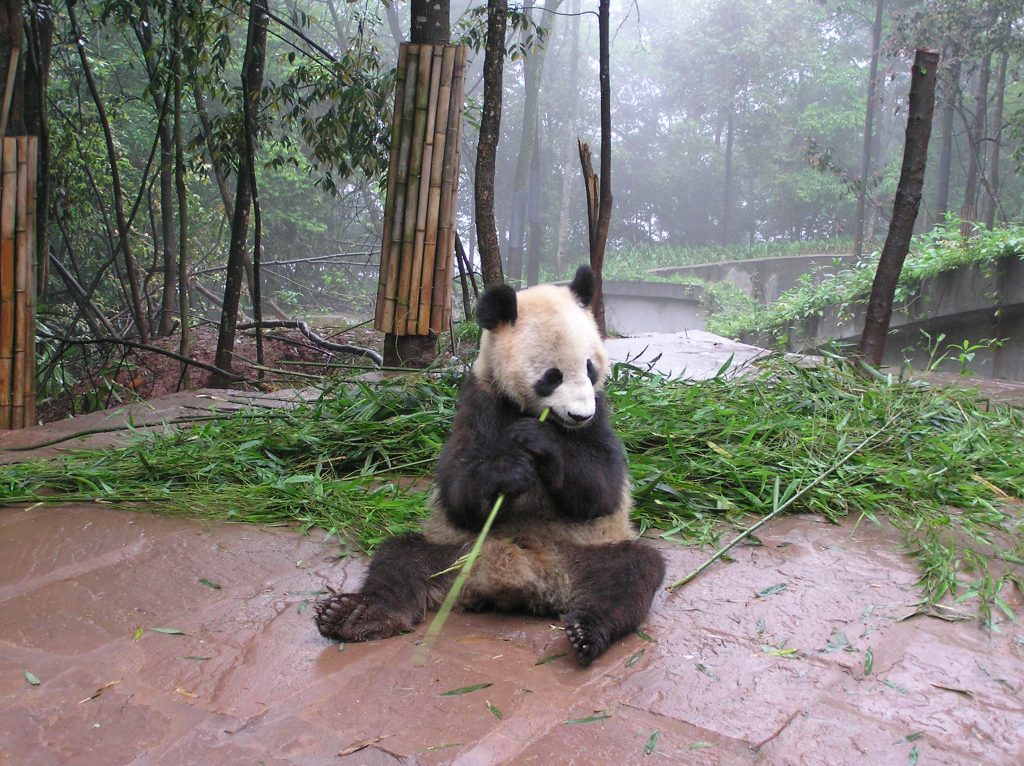
This image has an empty alt attribute; its file name is panda-3-768x1024.jpg

Photo Source Global Nomadic

Description

Location: Chengdu, China

Duration: 1 week placement only

Start Dates: Project is on-going, and you can join at any time, depending upon availability. Placements start each Monday

Cost: €1,045 Euros for the week – see Costs tab for further details

Includes: all food, accommodation, airport pickup, orientation, in-country support and all project related activities

Does not Include: flights, travel insurance, visas and vaccinations

Benefits:

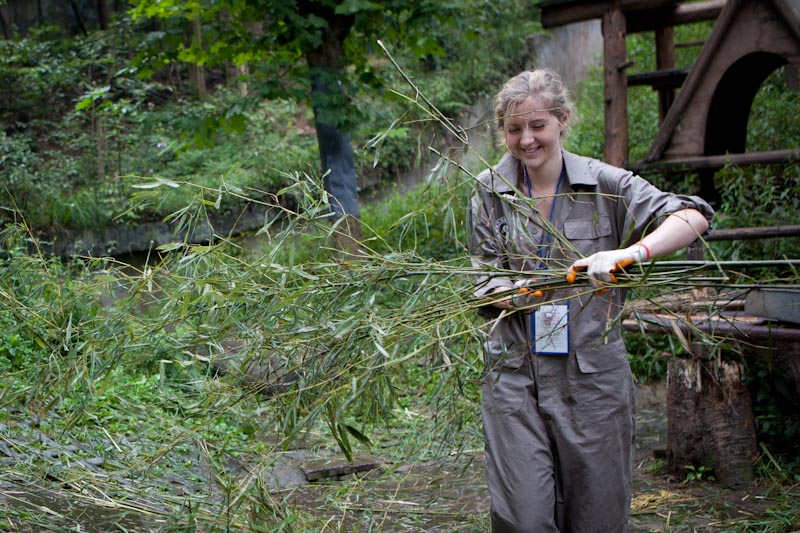
  • Get very close to the amazing pandas, working with staff to help keep them fed, clean and happy
  • Flexible placement, tailored according to your interests and abilities.

Introduction

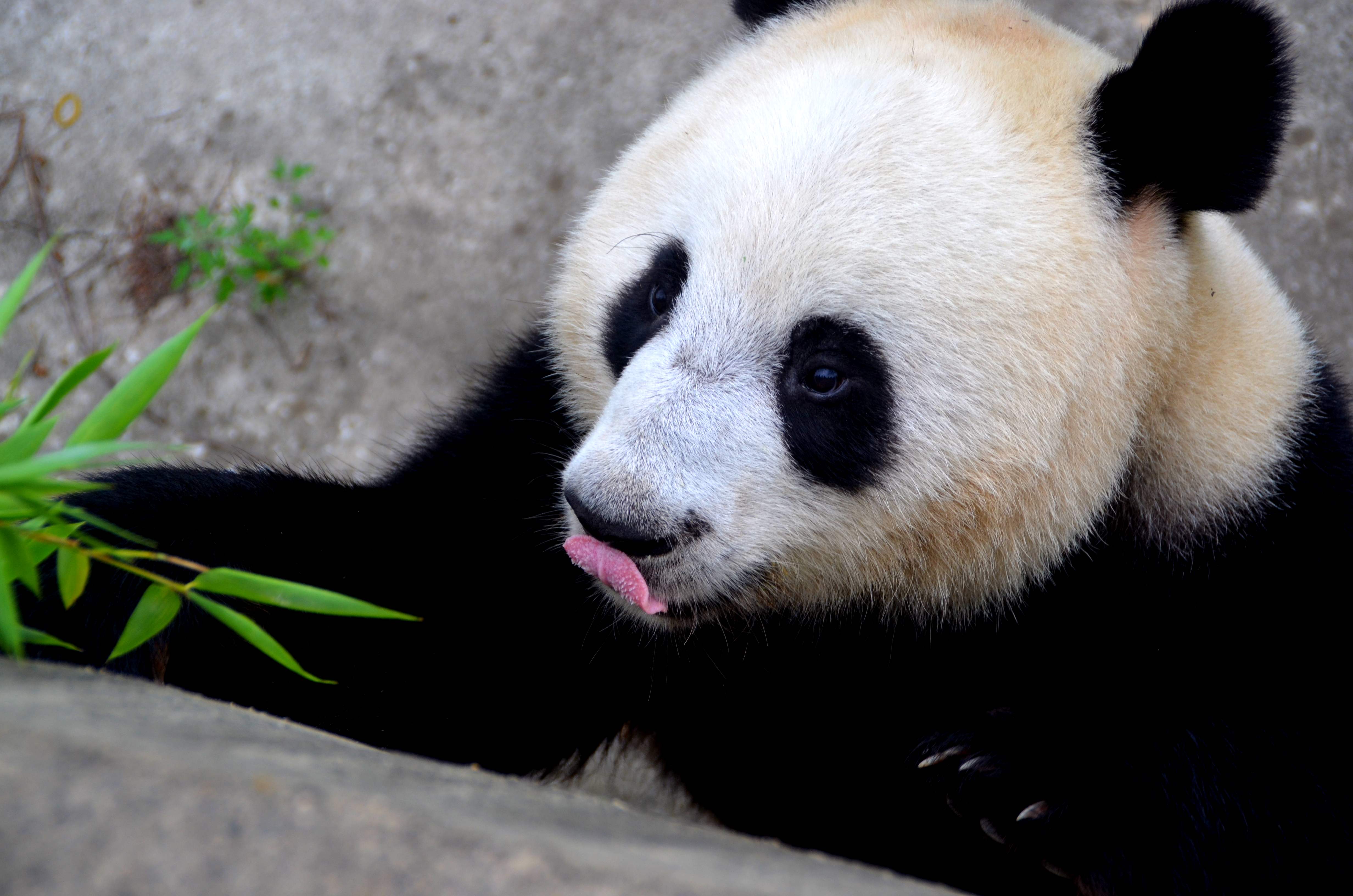
The panda is one of the most delightful and captivating of animals, and has long been a highly recognised symbol for wildlife conservation. Recently, the Giant Panda was downgraded from the status of endangered, but its future is still very vulnerable. Estimates place the total number of pandas in the world at only about 1600, most of these in Sichuan Province.

You’ll have plenty of time to photograph, and observe the pandas at the base, as you get to understand more about this rare and wonderful species.

Volunteers are needed to help safeguard the future of the Giant Panda in China.

This image has an empty alt attribute; its file name is panda-2-1.jpg

Photo Source Global Nomadic

Cultural Immersion

During the first week we’ll introduce you to the other volunteers staying with us; you’ll be able to spend some time getting to know them, and our co-ordinators. You’ll go for a short tour around the local village, and see the beautiful scenery that surrounds it. In the winter months, you can pick the fruits from the trees in the local fields. In the afternoon, we’ll give you an introduction to the language, and teach you some key words and phrases.

Below is a schedule to give you an idea of what the first week will be like. It is only intended to be a rough guide; every schedule can be customised according to your choices.

This image has an empty alt attribute; its file name is panda-4-1024x766.jpg

Photo Source Global Nomadic

emy Freedman

For more information and original source please click here.

For more volunteering opportunities please check out our website.

Find us on Social Media – Facebook, Instagram, LinkedIn and Twitter.